"Maybe I'm just not cut out for recovery." "Why do I still want the thing that nearly destroyed me?" "Everyone keeps saying life gets better, so why does mine feel so empty?" "If I wanted recovery so badly, shouldn't this be easier?"
These aren't signs that you're failing. They're signs that you're human. I've asked myself these questions, and I've heard them hundreds of times from people sitting across from me in therapy.
I write this from two vantage points. I am in recovery myself, and I spent years working as a psychotherapist in a rehabilitation centre, walking alongside people recovering from alcohol, drugs and other addictions. If there is one thing both sides of the room have taught me, it's this: almost everyone believes they are the only one struggling this much. They aren't. Most people simply don't say it out loud.
Let's be honest
Recovery can save your life. It can reconnect families, help you discover who you really are, and give you a peace you never thought possible. It can also be incredibly boring. Sometimes it feels painfully empty. Sometimes you wonder whether you'll ever genuinely enjoy life again, and the future looks colourless. Sometimes it feels like everyone else is moving forward while you're standing still. Sometimes you grieve the very thing you're trying to leave behind. And sometimes it is simply brutally hard.
People don't often talk about this part, perhaps because they're afraid it will discourage others. I believe the opposite is true. When we pretend recovery is inspirational every single day, people start to think they're failing when it doesn't feel that way. The truth is kinder than that: recovery is one of the hardest things you will ever do, not because you are weak, but because you are asking your brain, your body and your entire life to learn a completely different way of living.
Your brain isn't trying to punish you
Whether your addiction involved alcohol, opioids, stimulants, cannabis, nicotine, gambling, pornography or another addictive behaviour, one thing remains remarkably consistent: your brain learned that this behaviour solved problems. Not logically. Biologically.
Repeated use changes the brain's reward system. Researchers have shown that addiction alters the circuits responsible for reward, motivation, learning, stress regulation and self-control [1]. Over time the brain adapts: natural dopamine production decreases, and everyday rewards become less rewarding. A conversation, cooking, music, exercise, playing with your children, watching the sunset — things that once brought joy can suddenly feel flat. That isn't because you've become lazy, ungrateful or incapable of happiness. It's because your brain is recovering from months or years of unusually intense stimulation, and healing doesn't happen overnight.
"Nothing feels good anymore"
This is one of the most frightening parts of recovery. People often think, "I've broken my brain," or "maybe happiness just isn't for me," or "maybe life really is this grey." There is, in fact, a scientific explanation. It's called anhedonia — a reduced ability to experience pleasure — and it is incredibly common during recovery from both substance use disorders and behavioural addictions. Research suggests it can persist for weeks or months while the brain gradually restores healthier reward functioning [2]. That doesn't mean joy has disappeared forever. It means your brain hasn't remembered how to recognise it yet, and those are two very different things.
Nobody warned me about the boredom
I wish someone had. People warned me about cravings, withdrawal, triggers and relapse. Nobody warned me that recovery could simply feel quiet, flat, ordinary. There were moments when I genuinely thought, "if this is what recovery feels like forever, I don't know if I can do it." That thought terrified me. I understand now that it wasn't predicting my future — it was describing my brain at that moment.
Recovery doesn't only remove an addictive substance or behaviour. It removes something that occupied your thoughts, your routines, your weekends, your coping strategy, and sometimes your entire identity. Of course there is an empty space afterwards. The goal isn't to pretend that space doesn't exist; it's to slowly fill it with something better.
"If I know it's hurting me, why do I still want it?"
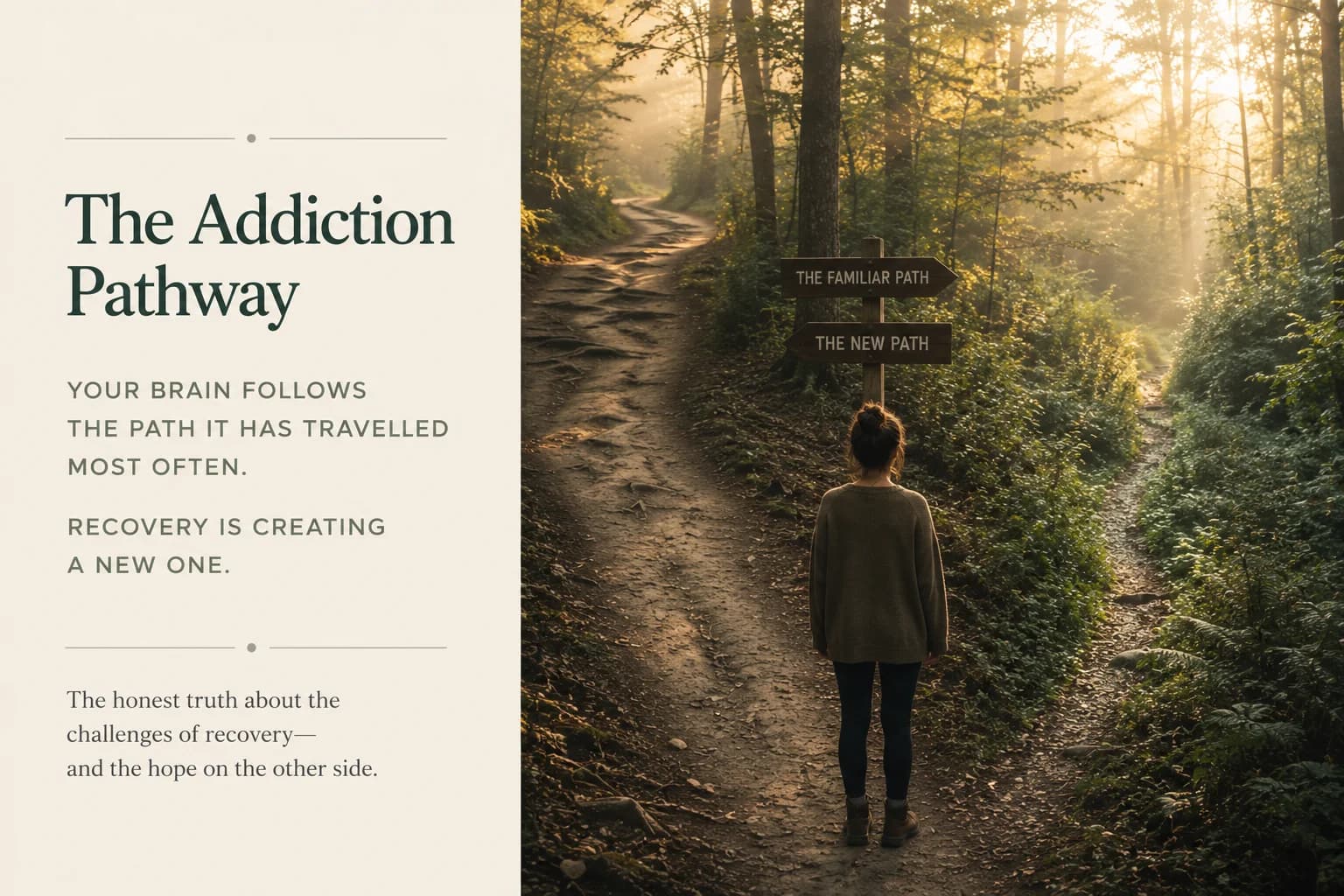
Because addiction isn't a knowledge problem. It's a learning problem. Your thinking brain understands the consequences. Your survival brain remembers relief. Every time life became overwhelming, your brain learned the same lesson: pain leads to addiction, which leads to temporary relief. That lesson was repeated hundreds, even thousands of times. Researchers describe addiction as involving deeply learned associations, stored in memory systems, that continue to drive craving long after a person stops using [3].
Recovery means patiently teaching your brain a different lesson: stress becomes a reason to call someone rather than use; loneliness becomes a reason to connect; anxiety becomes a reason to breathe; anger becomes a reason to walk; sadness becomes something to feel rather than escape. It sounds simple. It isn't. You are replacing one of the strongest habits your brain has ever built, and that takes repetition and patience.
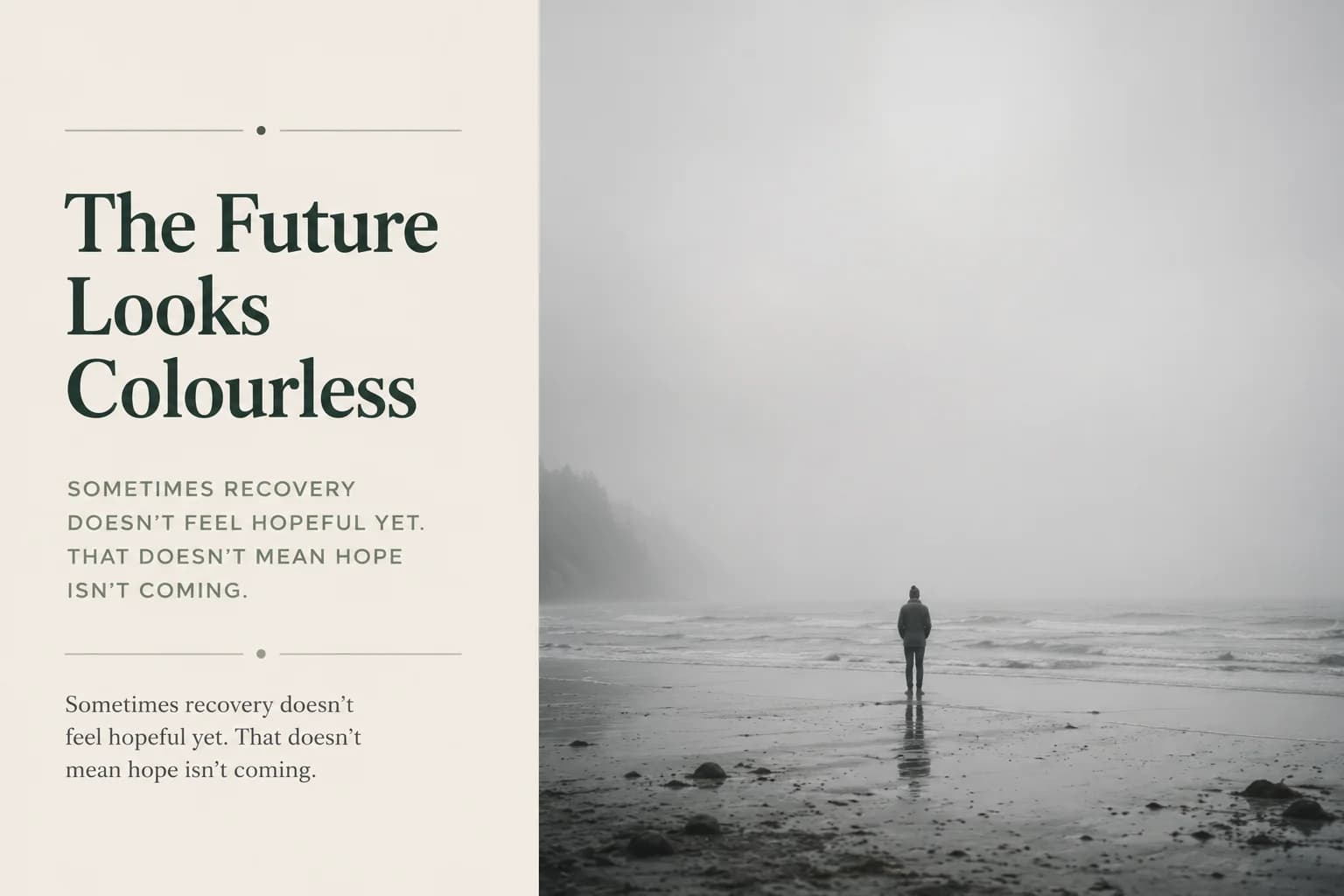
Sometimes the future looks colourless
Nobody likes admitting this, but I'll say it anyway. Early recovery can make the future feel strangely blank — birthdays, weekends, holidays, restaurants, Friday evenings, family celebrations. You start wondering how people enjoy these things without using, whether you'll ever laugh like you used to, who you even are now.
Those questions don't mean recovery isn't working. They often mean your identity is changing. For years, addiction helped organise your life, even while it was quietly destroying it. Recovery asks a much bigger question: if addiction is no longer writing your story, what will? That question can feel frightening. It can also become one of the most meaningful journeys you'll ever take.
The day I realised I didn't want my old life back
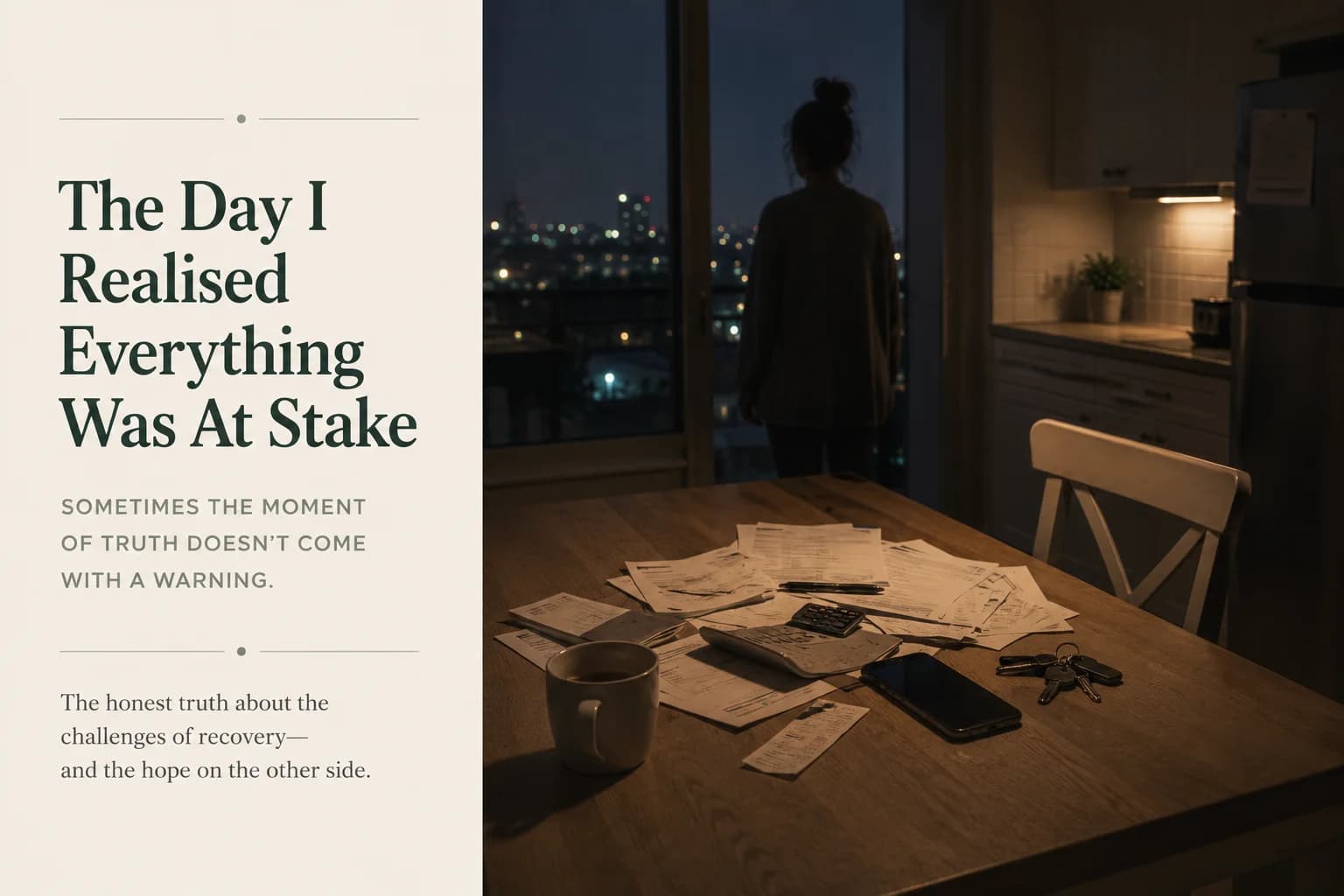
There was a moment when I realised I couldn't keep living the way I was. It wasn't one dramatic event — it was the weight of everything happening at once. My marriage was falling apart, and I knew I could lose my husband and my children if nothing changed. I didn't have a job. My health was deteriorating. I was having more and more accidents; I kept falling, and I broke bones. Looking back now, I honestly believe I was living on borrowed time.
My world became smaller and smaller. I stopped seeing friends and isolated myself at home, withdrawing from the people who cared about me because hiding felt easier than explaining what was happening. Eventually, nothing really mattered anymore except one thought: everything was at stake — my family, my future, my health, my freedom, my life. I remember thinking, "if I keep going like this, I might actually die." That wasn't dramatics. That was the reality I had finally allowed myself to face.
I also realised something that surprised me. I wasn't changing because I suddenly felt motivated, or because I believed recovery would be easy. I was changing because I had reached the point where the pain of staying the same had become greater than the fear of changing.
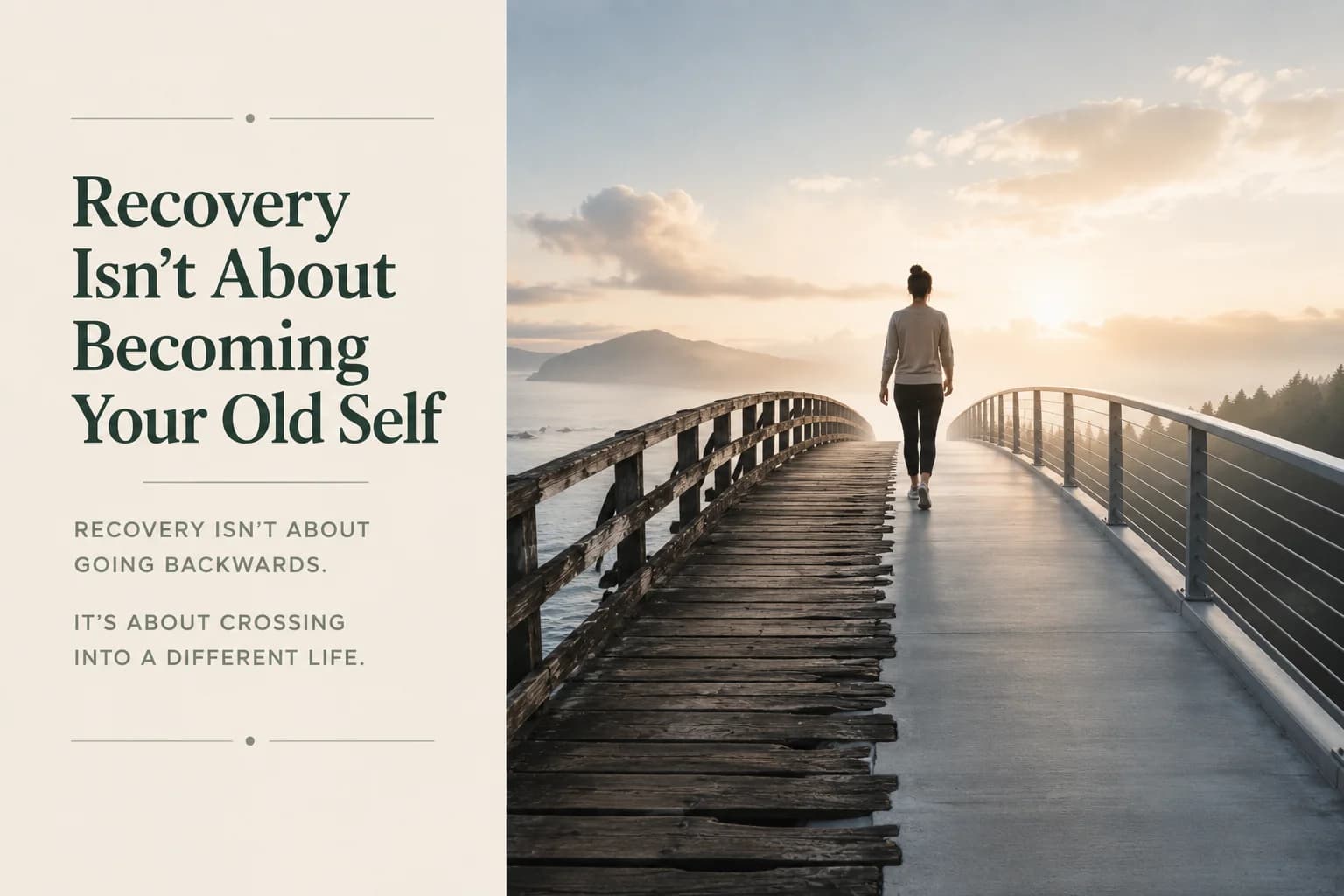
Looking back, I thought I wanted my old life back. I don't, because my old life contained all the pain that led me to addiction in the first place. What I actually wanted was something entirely different: a life where I didn't need to escape, where I could be fully present with the people I love, built on honesty instead of secrecy, connection instead of isolation, values instead of survival. That life didn't appear overnight. I built it slowly, one ordinary day at a time.
Recovery isn't about becoming your old self
Many people tell me they just want their old life back. I understand that; I felt exactly the same. But eventually I realised recovery wasn't about returning to who I was before addiction — it was about becoming someone I had never been. Someone who could cope without escaping. Someone who could sit with uncomfortable emotions without needing to numb them. Someone who could ask for help, and build a meaningful life rather than simply survive another day. That transformation doesn't happen quickly. It happens one ordinary day at a time.
What you can do today
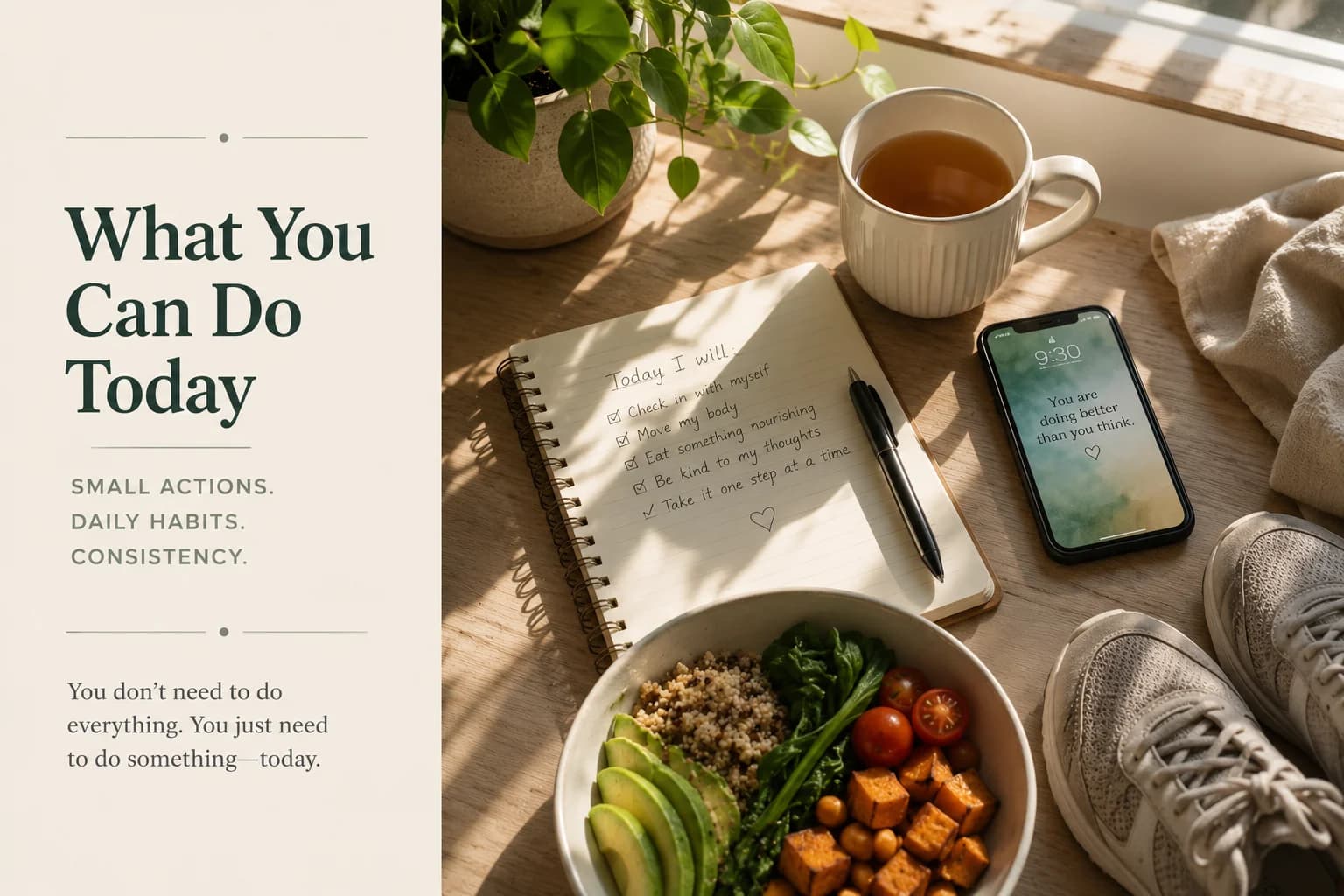
If recovery feels overwhelming today, don't try to fix your entire future. Just focus on the next hour. Research consistently shows that recovery is supported by repeated healthy behaviours, supportive relationships and meaningful routines, not by perfection. A few small things worth doing today:
Go outside for ten minutes. A short walk can improve mood, regulate your nervous system and reduce stress. Eat something nourishing, since your brain and body need fuel to heal. Reach out to one safe person, because recovery grows in connection, not isolation. Ride out one craving without acting on it: cravings rise, peak and fall like waves, and every time you experience one without giving in, you are teaching your brain something new. Do one thing that reflects your values, whether that's washing the dishes, reading to your child, journaling for five minutes, or helping someone else — recovery is built through ordinary actions repeated consistently. And speak to yourself with compassion. Addiction promised comfort while quietly taking everything from you; self-compassion may feel unfamiliar, but research shows it supports resilience and long-term recovery. Don't underestimate small steps. Your brain changes through repetition, not perfection.
The good news
The human brain is remarkably adaptable. Studies using brain imaging show that many aspects of brain function improve with sustained recovery, although healing continues over months and sometimes years [4]. This capacity for change — what neuroscientists call neuroplasticity — is well documented well beyond addiction recovery, and it is the reason healing is possible at every stage of life [5].
One day you'll realise you went an entire afternoon without thinking about using. One day you'll laugh without forcing it, enjoy your morning coffee, cope with stress differently, and notice that peace has quietly replaced chaos. These moments don't arrive all at once. They arrive gradually, almost unnoticed. But they do arrive.
Final thoughts
If you're reading this while wondering whether recovery is worth all the boredom, uncertainty and pain, I understand. I once felt as though I was living on borrowed time. Today, I don't feel like I'm surviving anymore. I feel like I'm living, and that is a gift I would never trade for the temporary relief addiction once promised.
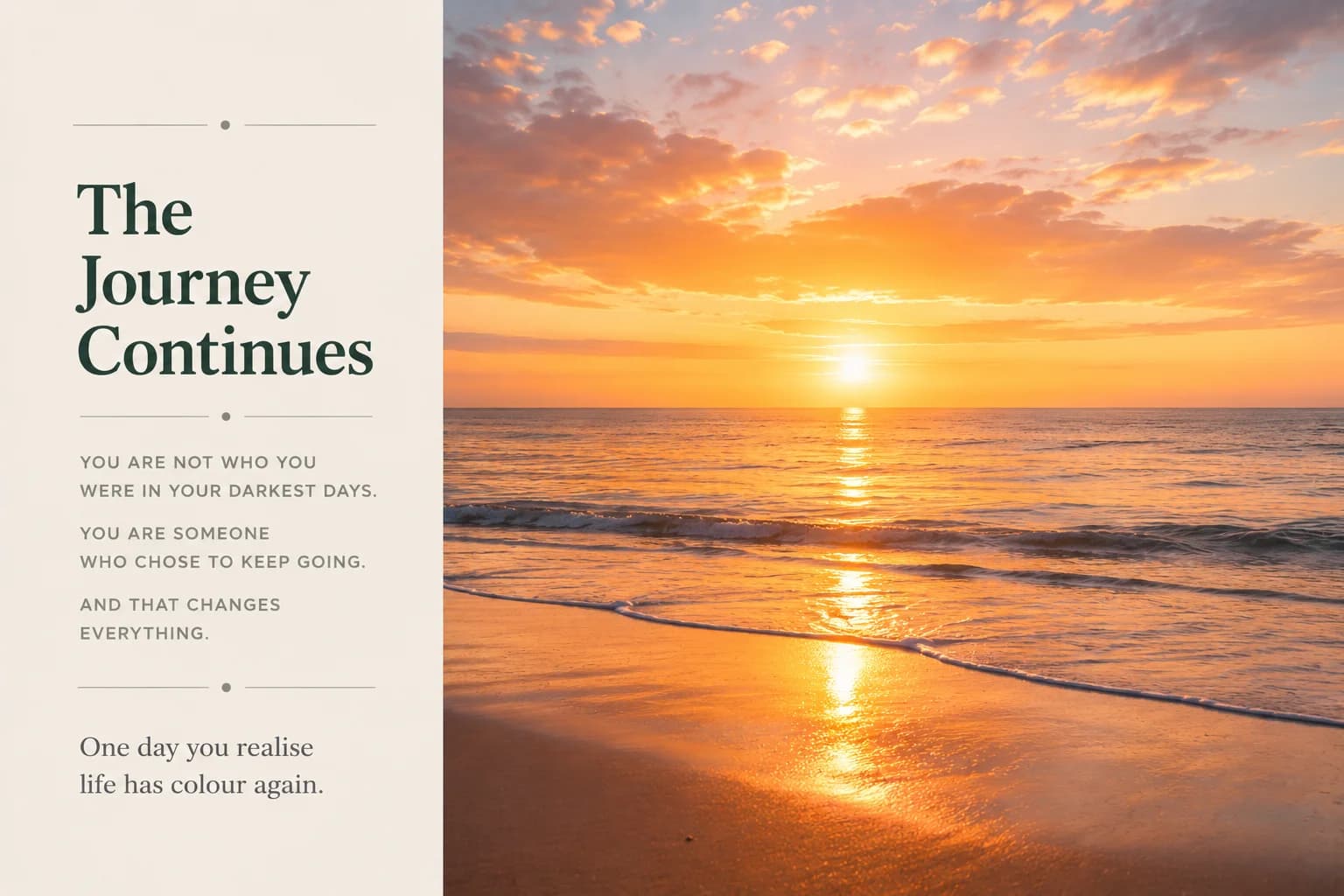
Recovery isn't easy. Sometimes it's lonely, sometimes it's boring, and sometimes you'll question everything. Keep going. One day you'll wake up and realise that life has colour again — not because recovery suddenly became easy, but because your brain healed, your relationships healed, your hope healed, and somewhere along the way, so did you.
References
- Volkow, N. D., Koob, G. F., & McLellan, A. T. (2016). Neurobiologic advances from the brain disease model of addiction. New England Journal of Medicine, 374(4), 363–371.
- Garfield, J. B. B., Lubman, D. I., & Yücel, M. (2014). Anhedonia in substance use disorders: A systematic review of its nature, course and clinical correlates. Australian & New Zealand Journal of Psychiatry, 48(1), 36–51.
- Koob, G. F., & Volkow, N. D. (2016). Neurobiology of addiction: A neurocircuitry analysis. The Lancet Psychiatry, 3(8), 760–773.
- Volkow, N. D., et al. (2019). The neuroscience of drug reward and addiction. Physiological Reviews, 99(4), 2115–2140.
- Doidge, N. (2007). The Brain That Changes Itself. Viking.