Learning Centre · /resources
Start with what you’re facing, then choose the next useful step
Jenora’s Learning Centre organizes recovery, mental health, and practical support resources around real needs first. Formats still matter, but they come after the problem you’re trying to solve.
Start here
What do you need help with?
These are public topic families. The underlying content keeps more specific topic IDs for search, related resources, pathways, and future growth.
I’m trying to understand cravings, treatment, or early recovery.
Recovery & addiction
Plain-language guides for addiction science, rehab decisions, aftercare, cravings, and setbacks.
I’m trying to understand anxiety, symptoms, or what helps.
Anxiety support
A plain-language series on anxiety, body symptoms, treatment, self-help, and living beyond fear.
I need help with overwhelm, thoughts, sleep, or intense feelings.
Mental health & regulation
Skills and explanations for stress, urges, thought loops, distress, and nervous-system care.
I want to notice patterns without judging myself.
Reflection & self-awareness
Journaling, week reviews, difficult-day reflection, and pattern-spotting tools.
I’m navigating family, love, boundaries, or support people.
Relationships & support
Resources for loved ones, communication, boundaries, and building a safer support network.
I need something practical I can use today.
Daily practice & tools
Worksheets, planners, checklists, schedules, and small repeatable practices.
I’m asking what comes next after survival.
Values & growth
Meaning, purpose, identity, values, and life direction once the immediate storm is quieter.
I want a plan before things get hard.
Safety & preparation
Support planning, early warning signs, safety preparation, and shareable documents.
Secondary navigation
Refine by format
Formats help once the need is clear. They are not the primary information architecture.
Showing 11 resources for "family support" in Recovery & addiction · Guides
Pathway
Returning Home after rehab
A sequenced journey assembled from existing resources. Each step keeps its current public URL.
Step 1 · Understand
What Happens the First Weekend After Leaving Rehab?
See what the first weekend home usually looks like, so nothing catches you off guard.
Open stepStep 2 · Prepare
Jenora First 72 Hours Home Checklist
Walk through the first 72 hours with a simple checklist.
Open stepStep 3 · Plan
Jenora My First Week Home Planner
Plan mornings, daytime, and evenings for the week ahead.
Open stepStep 4 · Connect
Jenora My Support And Safety Plan
Decide now who and what will help if things get hard.
Open stepStep 5 · Reflect
Jenora My First Week Review
Look back at the first week and adjust without judging yourself.
Open stepStep 6 · Continue
Finding Your Rhythm After Rehab
Keep building a routine that can actually hold up.
Open stepExplore the Understanding Addiction Series
A plain-language, seven-part sequence that explains what changes in the brain during addiction, why cravings can feel so powerful, and how responsibility can exist without shame.
Disease or Choice?
A clear introduction to addiction as a brain-based condition without removing responsibility, starting with the missing middle between disease and choice.
The Craving Alarm
How low baseline, cue-triggered wanting, and the expectation of relief can turn craving into an urgent learned alarm.
Two Roads
A neuroscience-informed metaphor for recovery: the old highway remains, but the new road becomes stronger through repeated use.
Explore the Reflection Series
A six-part reflection series about learning from difficult days, noticing quiet progress, and turning patterns into kinder, more useful next steps.
Browse the library
Matching resources
Built for current volume, and ready to grow without adding more top-level clutter.
The Power of Peer Support in Recovery
Recovery can be lonely when it is treated like a private test of willpower. Peer support changes that. It reminds people that they are not the only ones trying to make hard changes, and they do not have to figure it out alone.
Matches title, excerpt, related term
Best for
Explains why recovery support often works better when it is shared.
What Happens the First Weekend After Leaving Rehab?
Leaving rehab is a strange experience.
Matches excerpt
Best for
Useful for anyone in the first days after leaving treatment, or supporting someone who is.

Two Roads
A neuroscience-informed metaphor for recovery: the old highway remains, but the new road becomes stronger through repeated use.
Matches excerpt
Best for
Useful for understanding recovery as a process of building a new pathway while the old one still feels familiar.
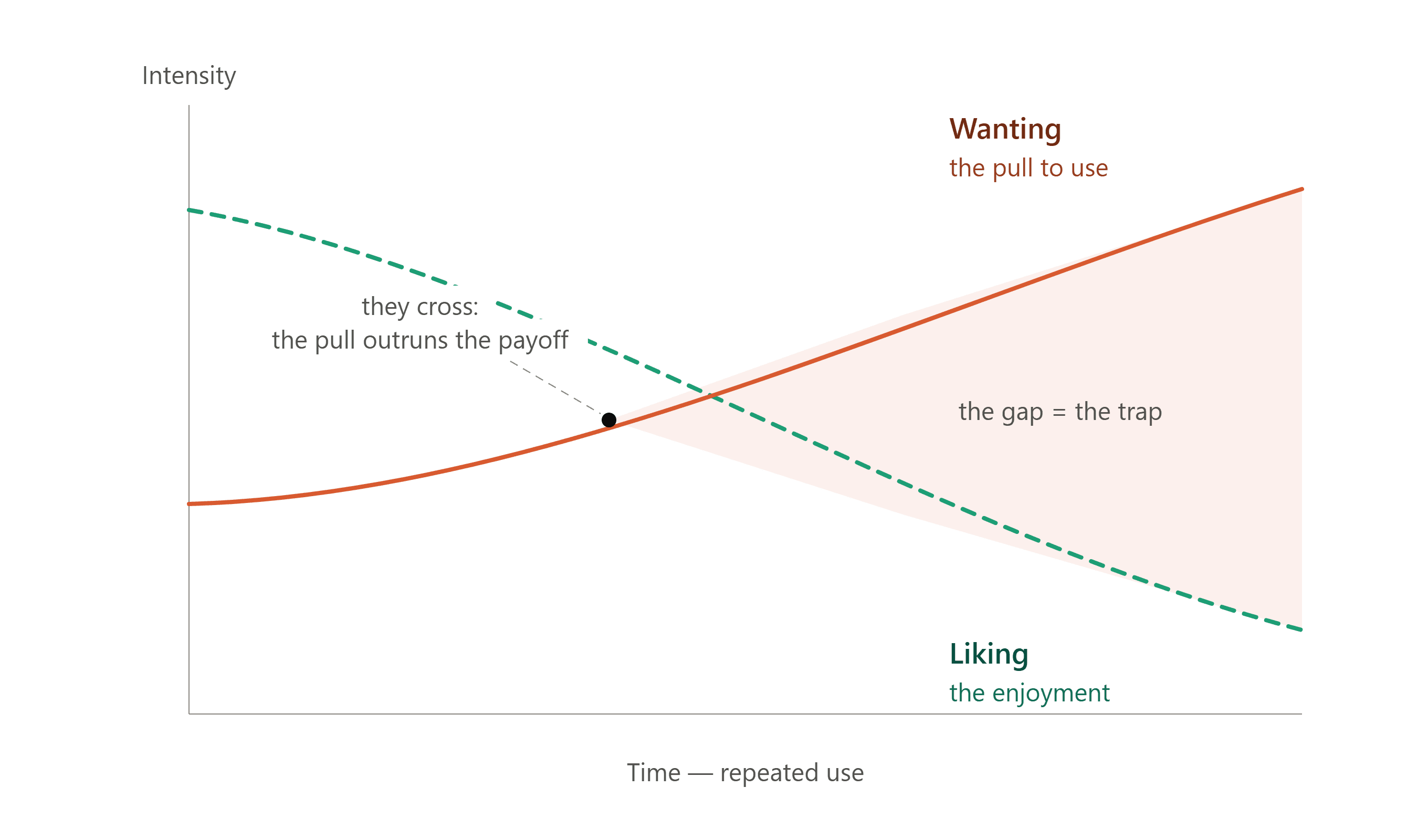
Why We Keep Wanting What We No Longer Enjoy: Dopamine's Real Role in Addiction
Why dopamine drives the pull toward a substance rather than the pleasure of it — and how that split between "wanting" and "liking" explains why cravings can intensify long after the enjoyment is gone.
Matches excerpt
Best for
Useful for anyone who wants to understand why cravings can grow stronger even as the substance stops feeling good, without concluding something is wrong with them personally.
Do You Need Rehab to Come Off a Substance?
A practical framework for deciding whether you need medical supervision, residential treatment, outpatient support, or another level of care.
Matches excerpt, related term
Best for
Useful for thinking through medical safety, tapering, detox, outpatient care, and when residential treatment may be needed.

What Can You Learn From a Difficult Day?
A guide to separating a difficult day from the story your mind wants to tell about it, and choosing one useful next step.
Matches excerpt, related term
Best for
Useful for people who want to review a hard day without turning it into a judgement about themselves.
Urge Surfing: How to Ride Out a Craving (or Any Overwhelming Urge) Without Fighting It
When an urge, craving, or wave of distress hits, the instinct is usually to fight it, distract from it, or give in to it. There's a fourth option, grounded in decades of research on urge surfing and acceptance-based therapy: ride it out. Here's where that approach comes from, and how Jenora's Distress Lab walks you through it.
Matches excerpt
Best for
Useful when someone needs practical help riding out cravings, urges, or distress.
Disease or Choice?
A clear introduction to addiction as a brain-based condition without removing responsibility, starting with the missing middle between disease and choice.
Matches excerpt
Best for
Useful for anyone trying to understand whether addiction is a disease, a choice, or something more nuanced.
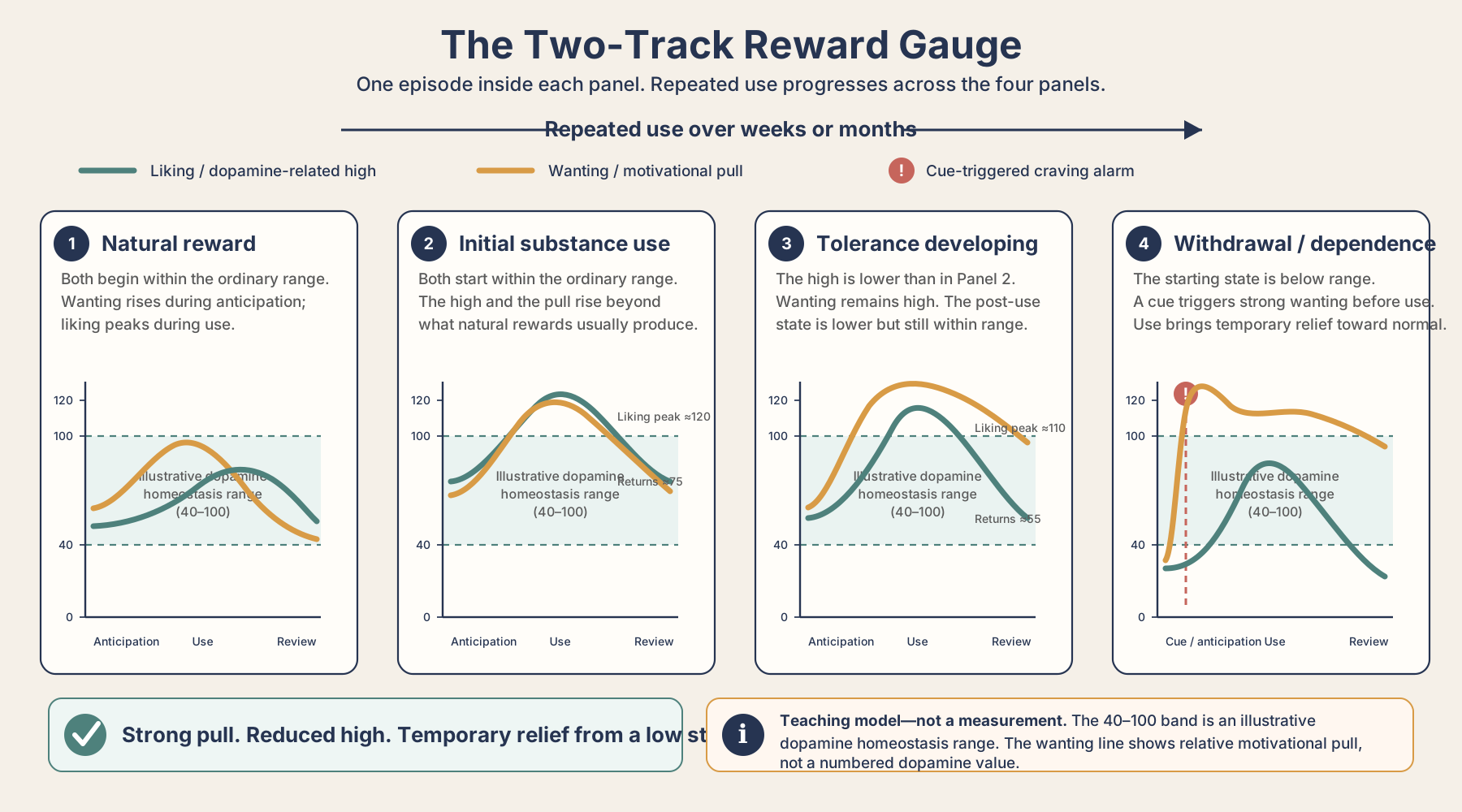
The Craving Alarm
How low baseline, cue-triggered wanting, and the expectation of relief can turn craving into an urgent learned alarm.
Matches excerpt
Best for
Useful for making sense of cravings without collapsing into shame or assuming the person simply stopped caring.
Am I Dependent, or Am I Addicted?
A plain-language guide to the difference between tolerance, physical dependence, and addiction - and why consequences and control matter more than quantity.
Matches excerpt
Best for
Useful for separating tolerance, physical dependence, and addiction without relying on amount or frequency alone.
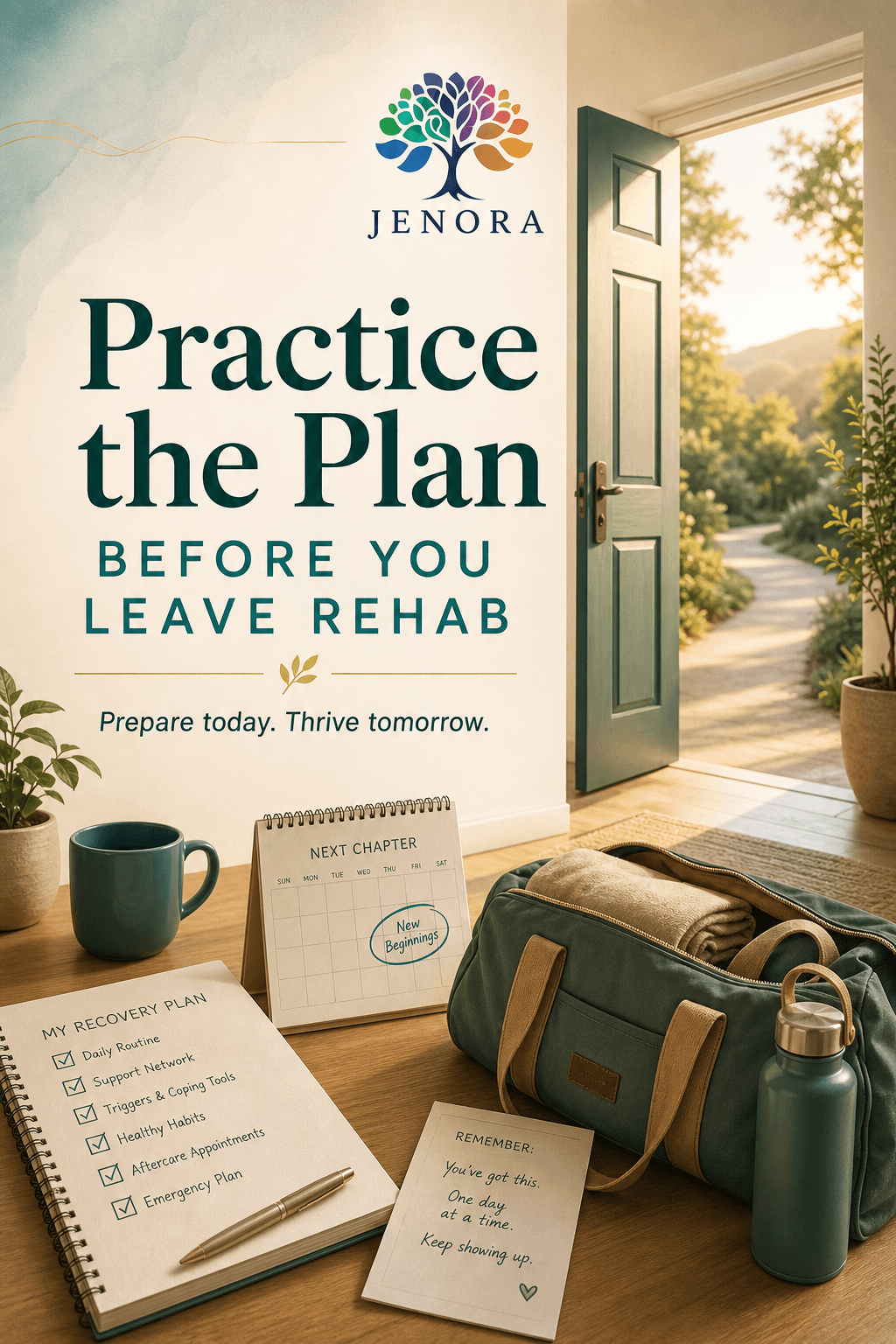
Practice the Plan Before You Leave Rehab
Near the end of treatment, many people create a healthy recovery plan. They write down things like:
Matches excerpt
Best for
Useful for anyone still in treatment who wants their recovery plan to hold up once they're home.