Resources
A more useful library for recovery, mental health, and daily support
Jenora's resources library brings together practical reading, printable tools, and support documents that help people understand their patterns and take the next helpful step.
Filter by category
Browse by support need
Showing 7 resources → Recovery Education
Reading shelf
Articles and guides
Educational content with a more editorial feel
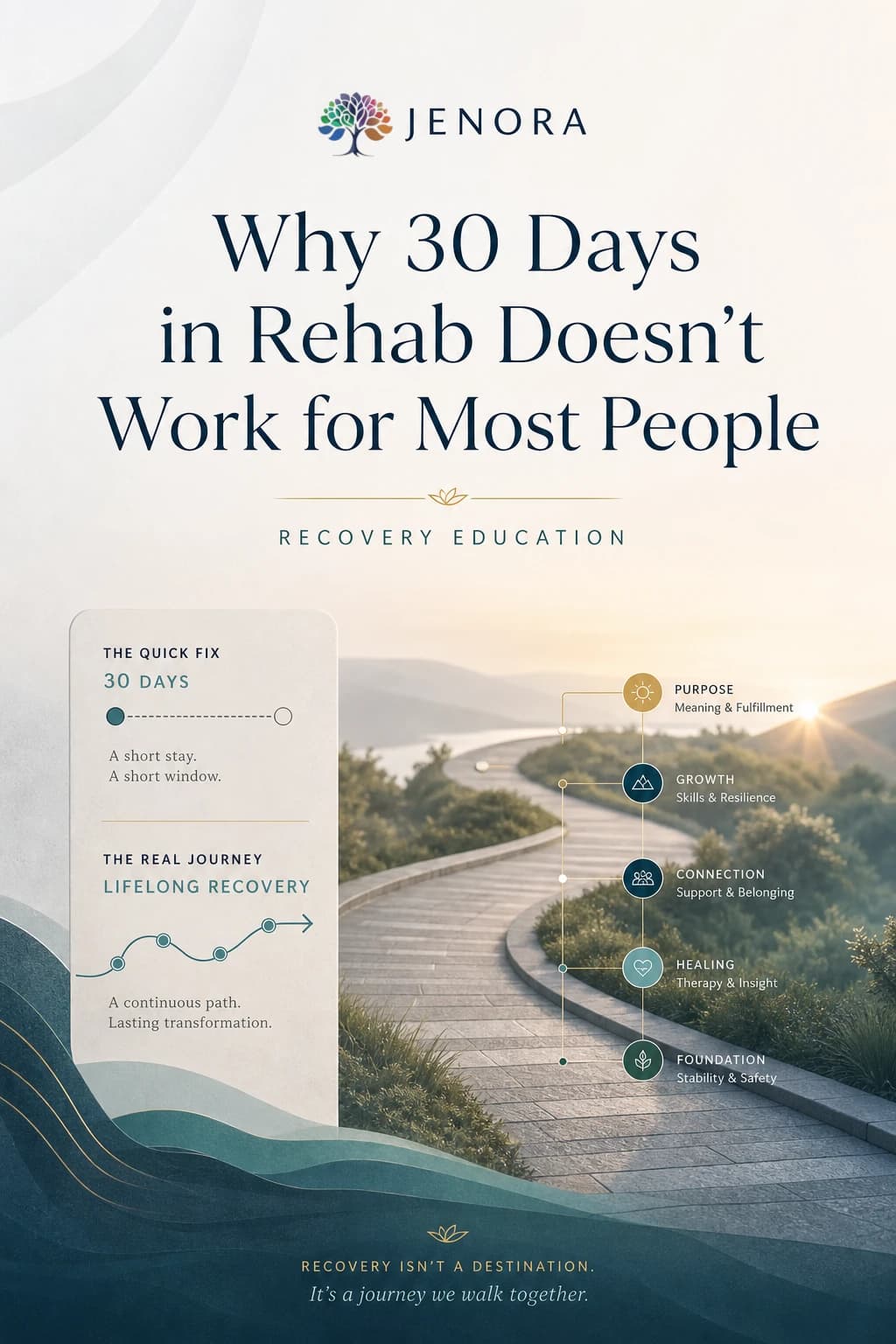
Why 30 Days in Rehab Doesn't Work for Most People
There's a number burned into the American understanding of addiction recovery: 30 days.
Best for
Helps users, families, and clinicians set more realistic expectations for treatment and aftercare.
Finding Your Rhythm After Rehab
Leaving treatment often means moving from a highly organized environment back into ordinary life.
Best for
Useful once the first days are behind you and you're building a routine that can actually hold up.
How Sleep Affects Recovery and Mental Health
Sleep is often treated like a side issue. People try to fix motivation, mood, and focus first, and then hope sleep improves later. In reality, sleep is part of the foundation. When it is off, everything else gets harder.
Best for
Helps people understand why sleep is a core recovery skill, not a side issue.
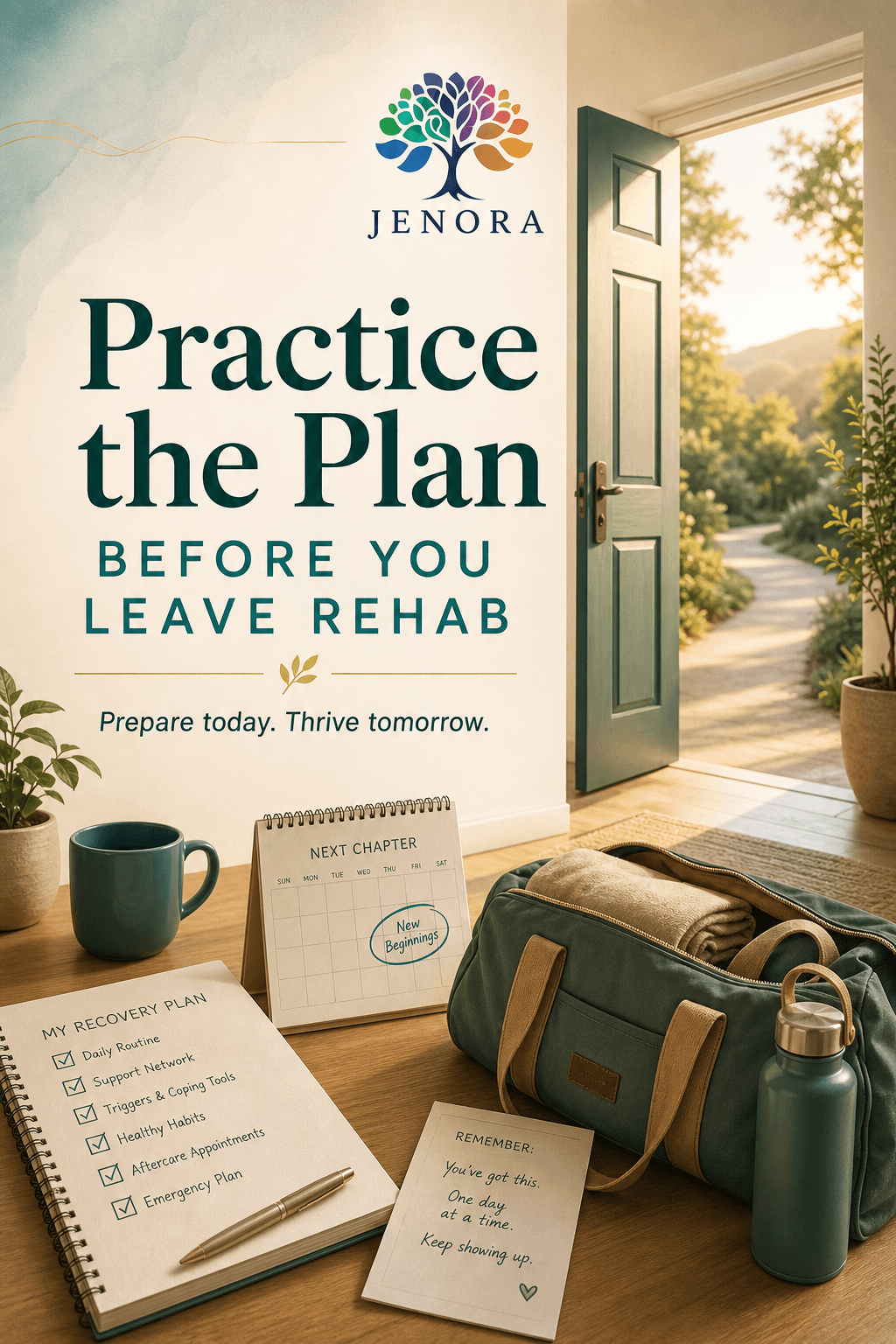
Practice the Plan Before You Leave Rehab
Near the end of treatment, many people create a healthy recovery plan. They write down things like:
Best for
Useful for anyone still in treatment who wants their recovery plan to hold up once they're home.
The Power of Peer Support in Recovery
Recovery can be lonely when it is treated like a private test of willpower. Peer support changes that. It reminds people that they are not the only ones trying to make hard changes, and they do not have to figure it out alone.
Best for
Explains why recovery support often works better when it is shared.
What Happens the First Weekend After Leaving Rehab?
Leaving rehab is a strange experience.
Best for
Useful for anyone in the first days after leaving treatment, or supporting someone who is.
Why Relapse Does Not Mean Failure
Relapse can feel devastating. It can also trigger a second wave of shame that makes people want to hide, quit, or decide they have ruined everything.
Best for
Useful for reframing setbacks without minimizing the seriousness of relapse.