Browse the library
Matching resources
Built for current volume, and ready to grow without adding more top-level clutter.
Urge Surfing: How to Ride Out a Craving (or Any Overwhelming Urge) Without Fighting It
When an urge, craving, or wave of distress hits, the instinct is usually to fight it, distract from it, or give in to it. There's a fourth option, grounded in decades of research on urge surfing and acceptance-based therapy: ride it out. Here's where that approach comes from, and how Jenora's Distress Lab walks you through it.
Best for
Useful when someone needs practical help riding out cravings, urges, or distress.

Part 6: Practical Skills for Living with Depression: Small Actions Can Create Big Change
A practical guide to small steps, behavioural activation, daily habits, movement, self-care, and challenging the depression voice.
Best for
Useful for choosing practical depression recovery steps when motivation is low and daily tasks feel too large.
Part 7: Staying Well & Preventing Relapse: Recovery Is a Practice, Not a Destination
A relapse-prevention guide for depression recovery, including early warning signs, green-yellow-red zones, protective habits, setbacks, and support planning.
Best for
Useful for staying well after depression, recognising early warning signs, preventing relapse, and building a wellbeing plan.
Guided reading
coping skills
Emotional Unmasking in Early Recovery: Why Feelings Feel So Raw and How to Stay Grounded
Learn why emotions return with intense volume in early recovery, how the nervous system recalibrates, and how to practice grounding without shame.
Best for
Useful when emotions feel overwhelming, raw, or unpredictable after stopping substances or coping habits.

How to Regulate Emotions Without Substances
Many people use substances or other compulsive behaviors to get relief from emotions that feel too big, too fast, or too hard to sit with. That does not make them weak. It usually means they found a fast way to reduce pain.
Best for
Useful when someone needs healthier ways to work through strong feelings.
Guided reading
cravings and urges
A Practical Guide to Urge Surfing: Riding Cravings and Waves of Distress in Everyday Life
Step-by-step instructions for using body mapping, breathing, and cognitive defusion to ride out cravings until they peak and pass.
Best for
A step-by-step practical guide for riding out cravings, impulses, and acute distress in everyday situations.

Part 7: Practical Self-Help Strategies: Skills You Can Start Using Today
A practical set of anxiety skills, including pausing, breathing, grounding, questioning thoughts, reducing avoidance, building routines, and focusing on what matters.
Best for
Useful for choosing simple anxiety self-help strategies you can practise in daily life.
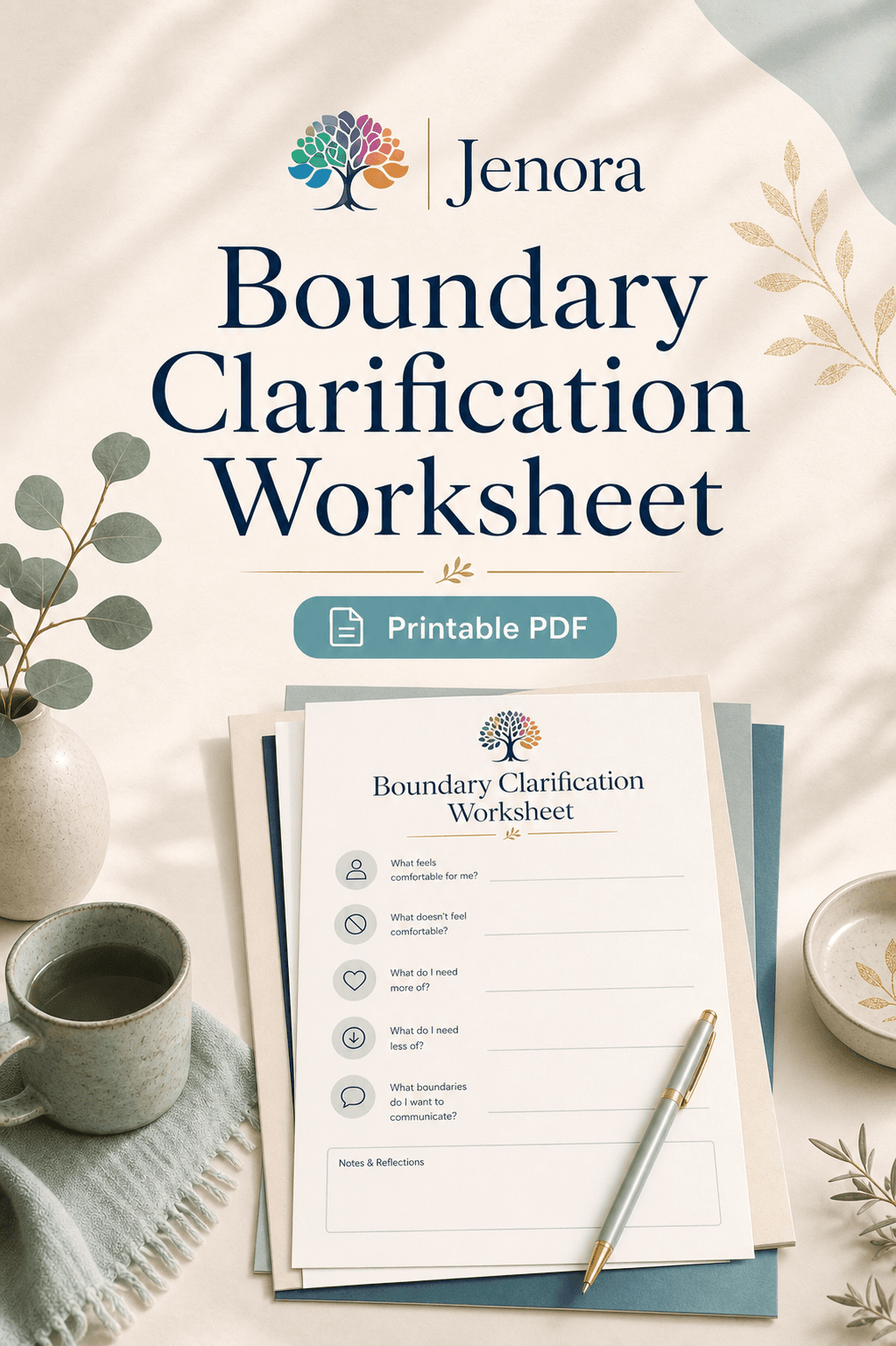
Boundary Clarification Worksheet
A printable worksheet for clarifying healthy boundaries, noticing where they are getting crossed, and planning what to say or do next.
Best for
Best for reflecting on the boundaries you need and practicing how to name them clearly.
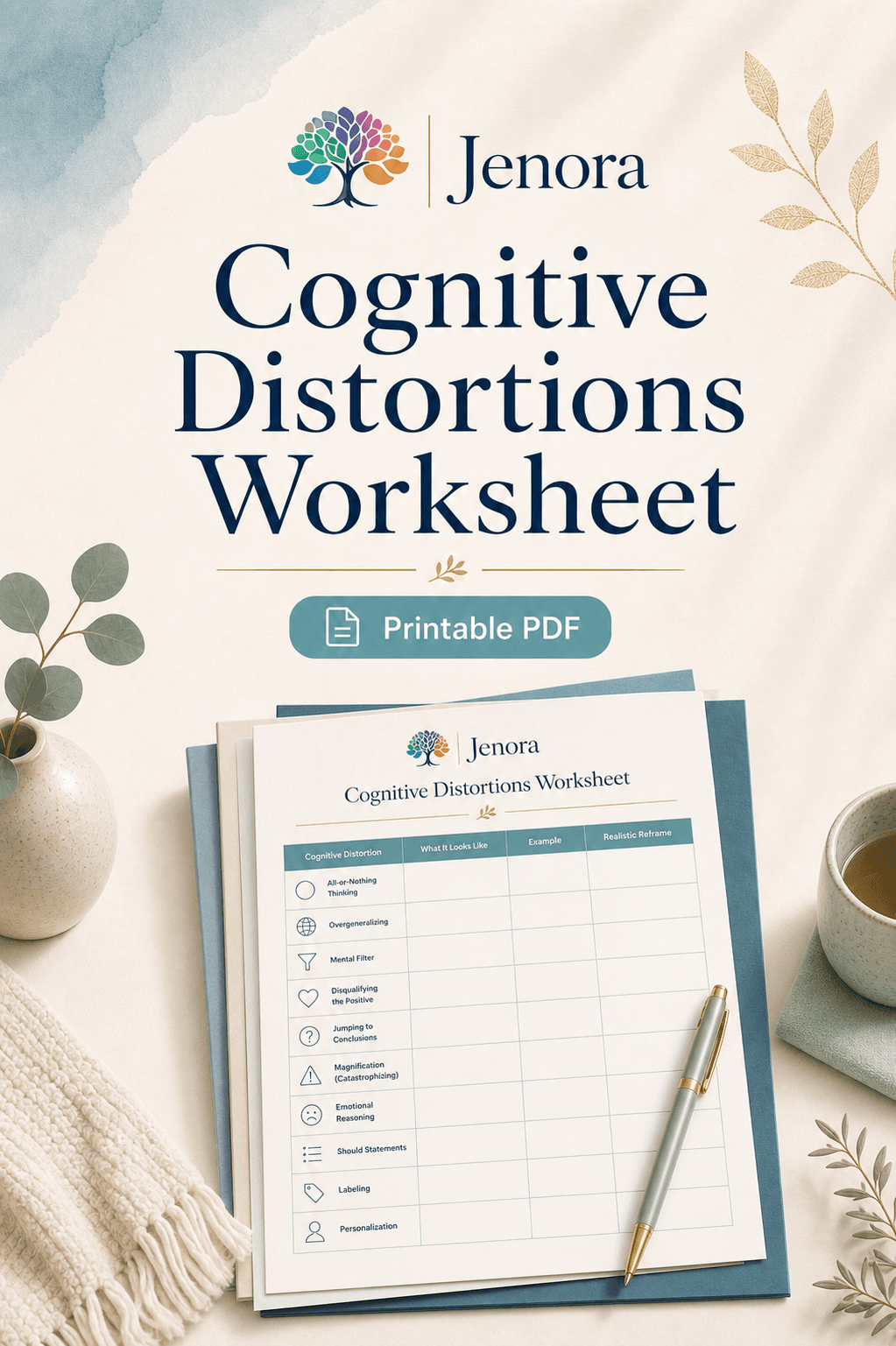
Cognitive Distortions Worksheet
A printable worksheet for noticing common cognitive distortions and reframing them into something more realistic.
Best for
Best for spotting unhelpful thought patterns and practicing more balanced self-talk.

Jenora First 72 Hours Home Checklist
A printable going-home checklist covering the first 72 hours after treatment, including a support and safety plan and early warning signs to watch for.
Best for
Best for the first 72 hours after leaving treatment: organizing support, planning the weekend, and noticing warning signs early.

Jenora My First Week Home Planner
A printable first-week home planner for structuring mornings, daytime, and evenings during the first seven days after treatment.
Best for
Best for planning the first seven days home in morning, daytime, and evening blocks.
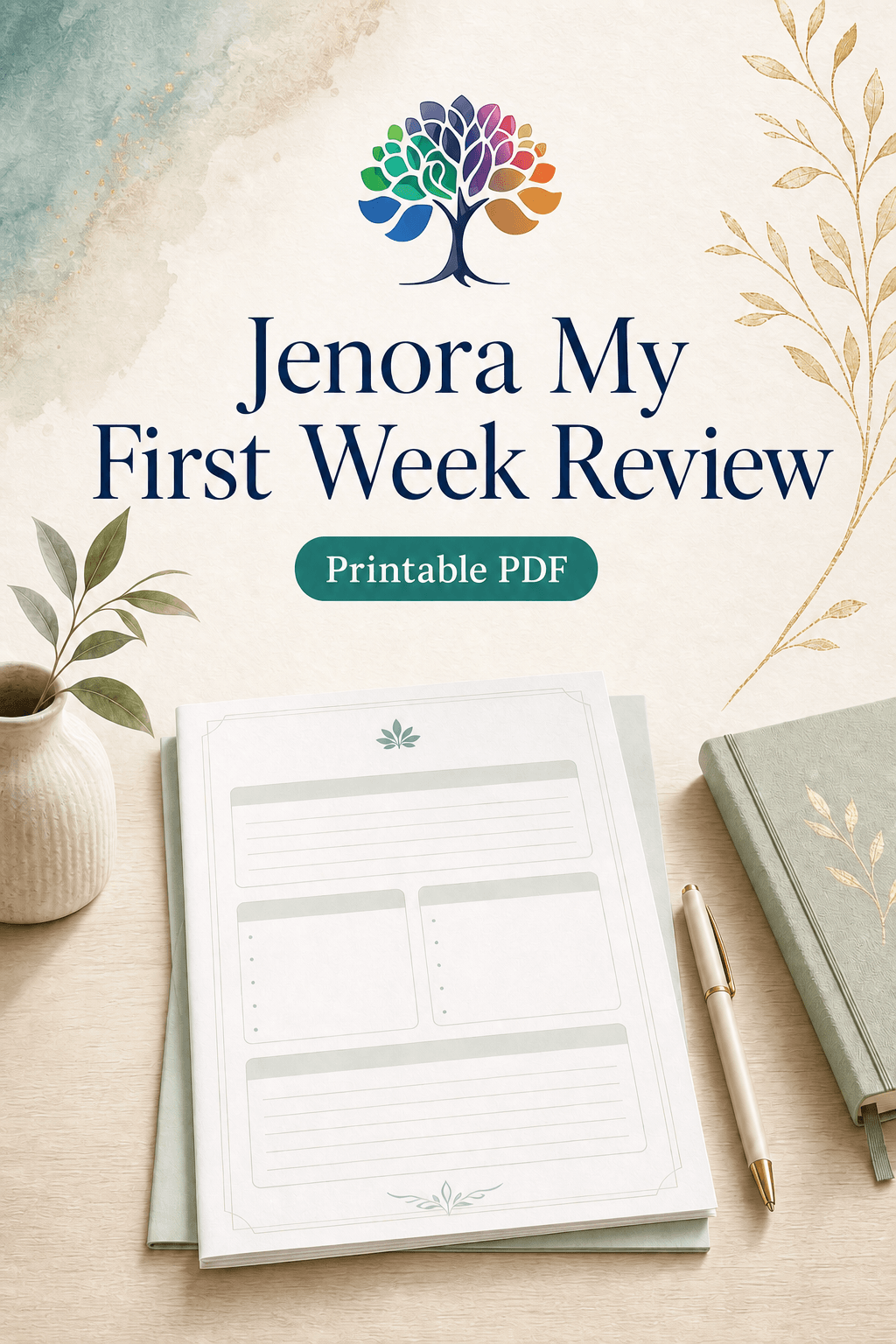
Jenora My First Week Review
A printable first-week review worksheet for noticing what helped, what to adjust, and what to carry into next week.
Best for
Best for reviewing your first week home and adjusting your plan without judging yourself.
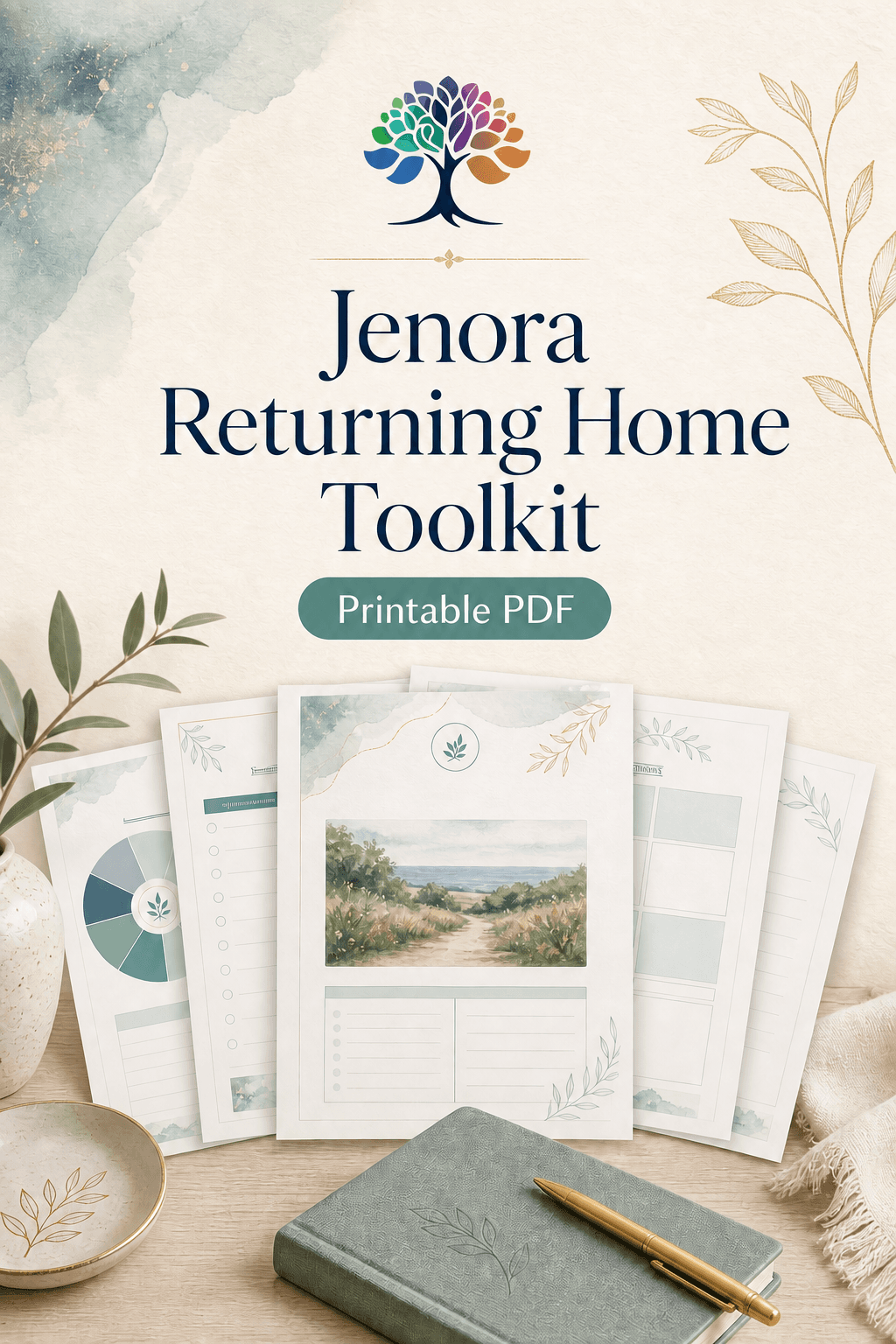
Jenora Returning Home Toolkit
The complete Returning Home Toolkit: the First 72 Hours checklist, a first week home planner, a support and safety plan, and a first-week review, bundled into one printable guide.
Best for
Best for getting the whole Returning Home path in one download — checklist, planner, safety plan, and review together.
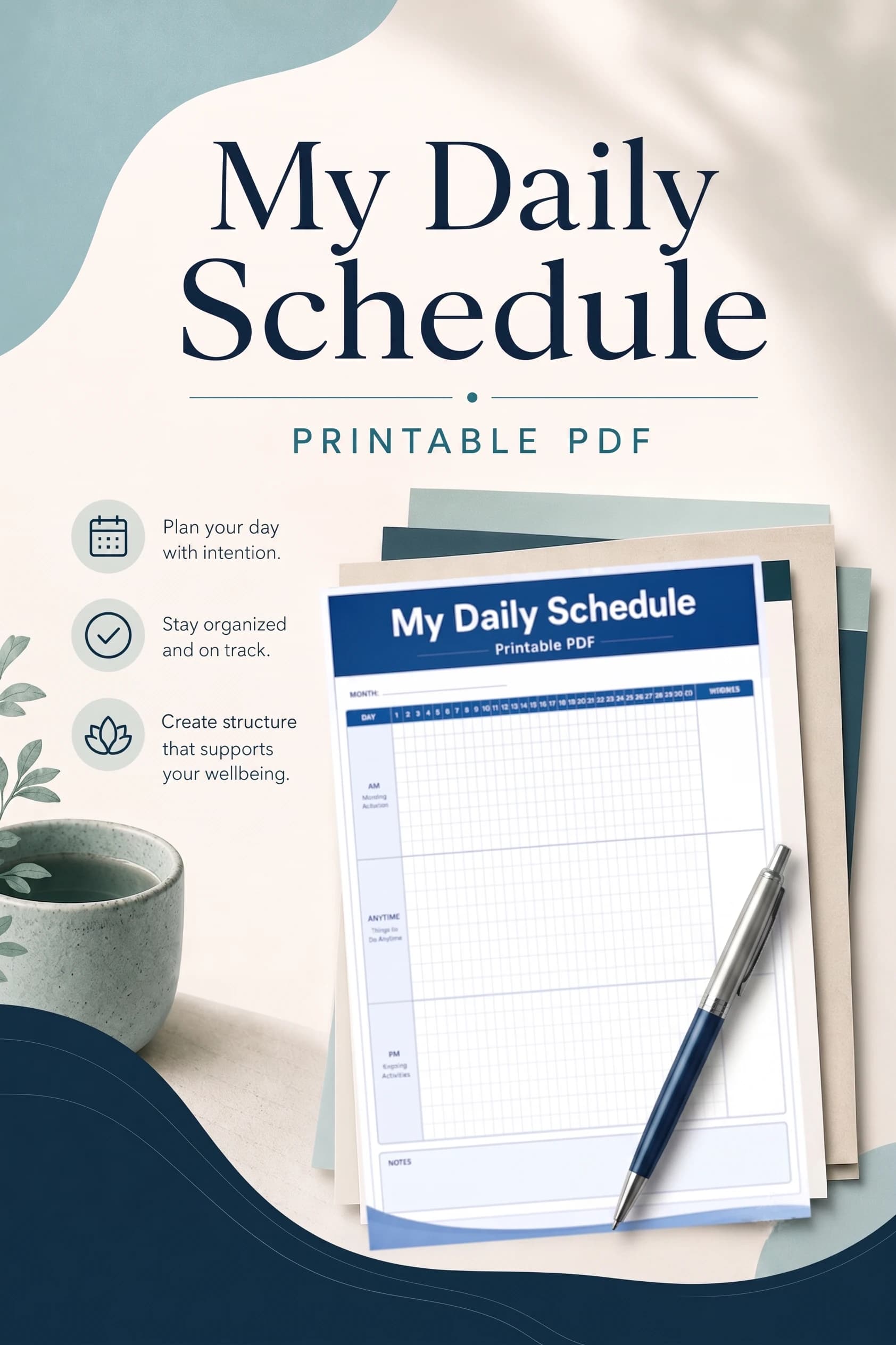
My Daily Schedule
A printable daily schedule worksheet for building structure, planning supportive routines, and staying grounded through the day.
Best for
Best for building structure, planning the day ahead, and supporting recovery routines offline.
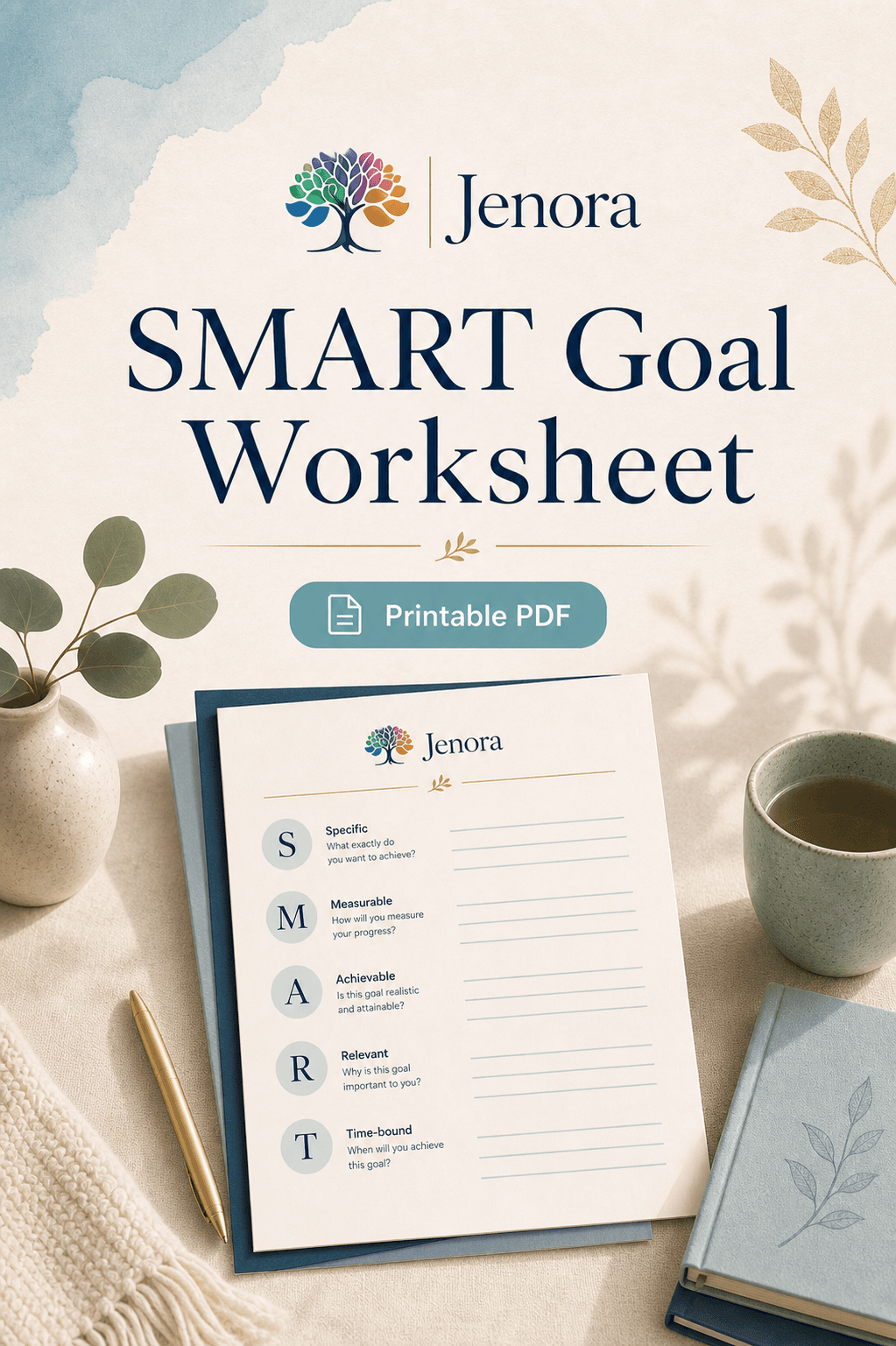
Smart Goal Worksheet
A printable SMART goal worksheet for clarifying what you want, why it matters, and how to make the next step more manageable.
Best for
Best for turning a goal into something specific, realistic, and easier to act on.
Learning Centre · /resources
Start with what you’re facing, then choose the next useful step
Jenora’s Learning Centre organizes recovery, mental health, and practical support resources around real needs first. Formats still matter, but they come after the problem you’re trying to solve.
Start here
What do you need help with?
These are public topic families. The underlying content keeps more specific topic IDs for search, related resources, pathways, and future growth.
Secondary navigation
Refine by format
Formats help once the need is clear. They are not the primary information architecture.
Showing 15 resources
Pathway
Returning Home after rehab
A sequenced journey assembled from existing resources. Each step keeps its current public URL.
Step 1 · Understand
What Happens the First Weekend After Leaving Rehab?
See what the first weekend home usually looks like, so nothing catches you off guard.
Open stepStep 2 · Prepare
Jenora First 72 Hours Home Checklist
Walk through the first 72 hours with a simple checklist.
Open stepStep 3 · Plan
Jenora My First Week Home Planner
Plan mornings, daytime, and evenings for the week ahead.
Open stepStep 4 · Connect
Jenora My Support And Safety Plan
Decide now who and what will help if things get hard.
Open stepStep 5 · Reflect
Jenora My First Week Review
Look back at the first week and adjust without judging yourself.
Open stepStep 6 · Continue
Finding Your Rhythm After Rehab
Keep building a routine that can actually hold up.
Open stepGrow
Self-Discovery
Interactive tools for figuring out what matters to you, not just reading about it.
Explore the Understanding Depression Series
An eight-part plain-language series about what depression is, how it affects the brain, body, motivation, and identity, and how recovery can be rebuilt through evidence-based support and small steps.
Part 6: Practical Skills for Living with Depression: Small Actions Can Create Big Change
A practical guide to small steps, behavioural activation, daily habits, movement, self-care, and challenging the depression voice.
Part 7: Staying Well & Preventing Relapse: Recovery Is a Practice, Not a Destination
A relapse-prevention guide for depression recovery, including early warning signs, green-yellow-red zones, protective habits, setbacks, and support planning.
Explore the Understanding Anxiety Series
An eight-part plain-language series about what anxiety is, how it affects the mind and body, why it can feel so convincing, and how recovery grows through evidence-based skills and small daily steps.