Browse the library
Matching resources
Built for current volume, and ready to grow without adding more top-level clutter.
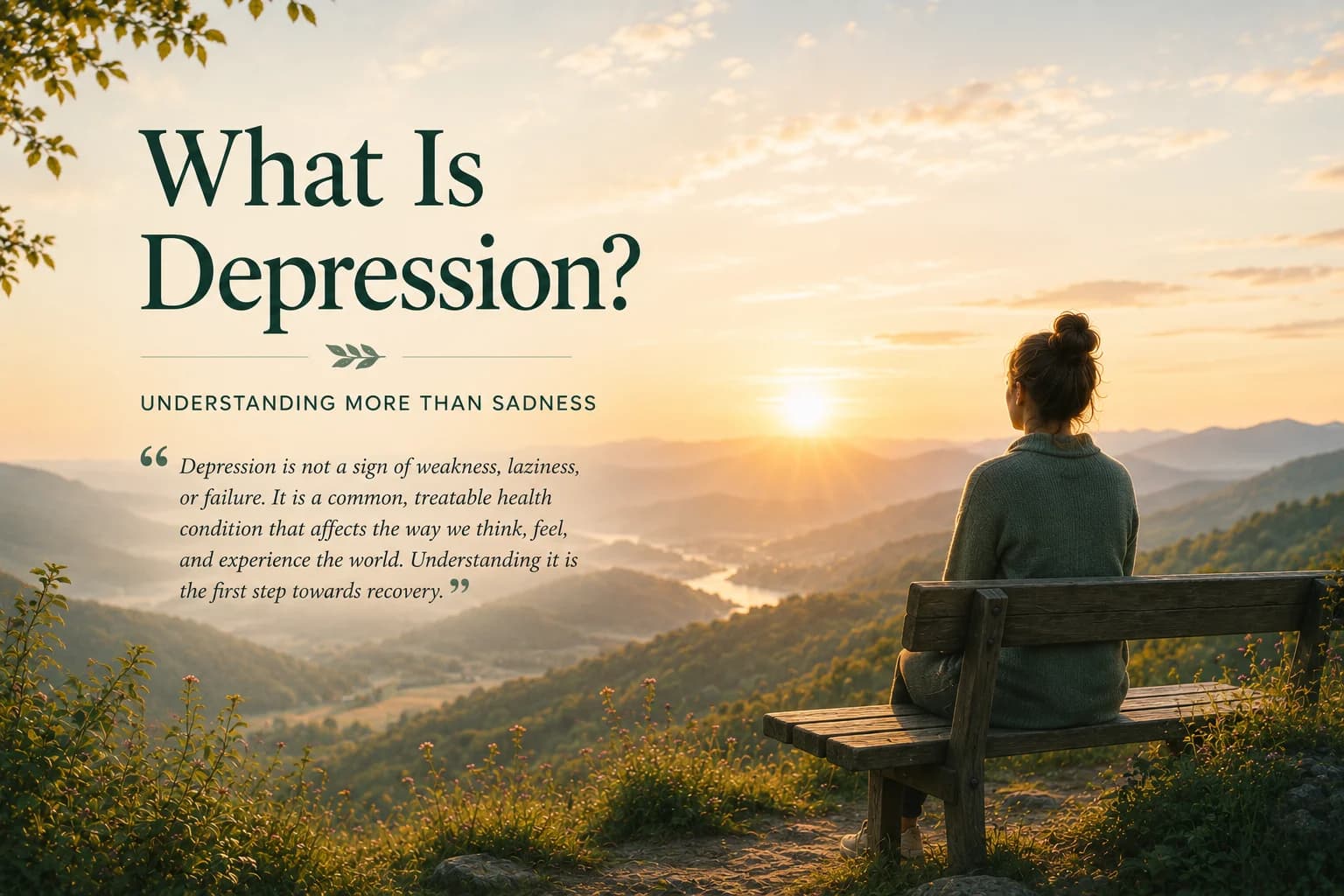
Part 1: What Is Depression? Understanding More Than Sadness
A plain-language introduction to depression as a common, treatable health condition that affects mood, body, thinking, and perception.
Best for
Useful for understanding depression as more than sadness, including why it develops and why recovery is realistic.
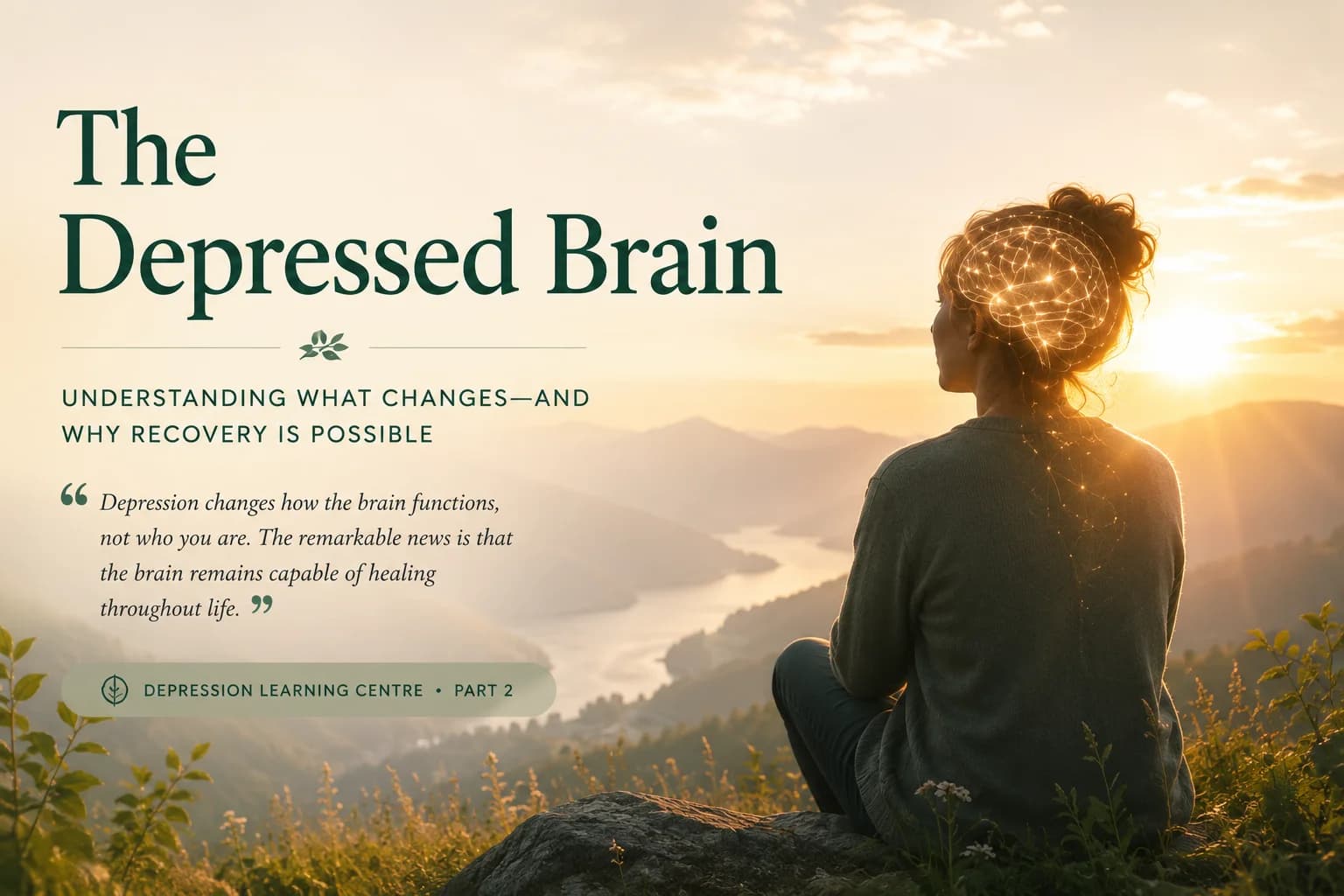
Part 2: The Depressed Brain: Understanding What Changes — and Why Recovery Is Possible
An accessible explanation of depression's effects on brain networks, the reward system, stress hormones, and neuroplasticity.
Best for
Useful for understanding what changes in the depressed brain and why healing remains possible.
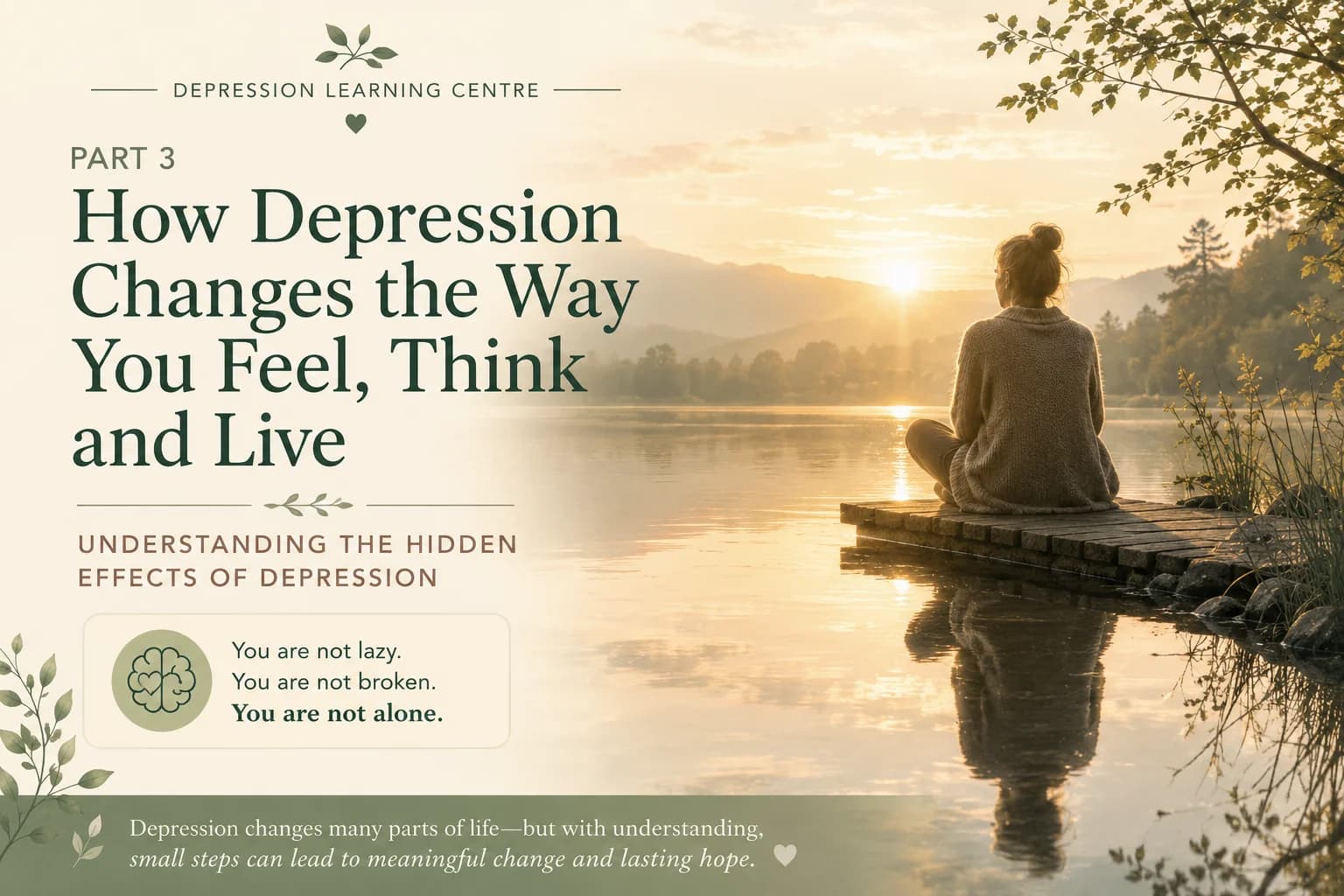
Part 3: How Depression Changes the Way You Feel, Think and Live: Understanding the Hidden Effects of Depression
A guide to the hidden effects of depression and why changes in thinking, feeling, behaviour, and connection are symptoms rather than personal failures.
Best for
Useful for recognising how depression affects thoughts, emotions, motivation, body, relationships, and identity.
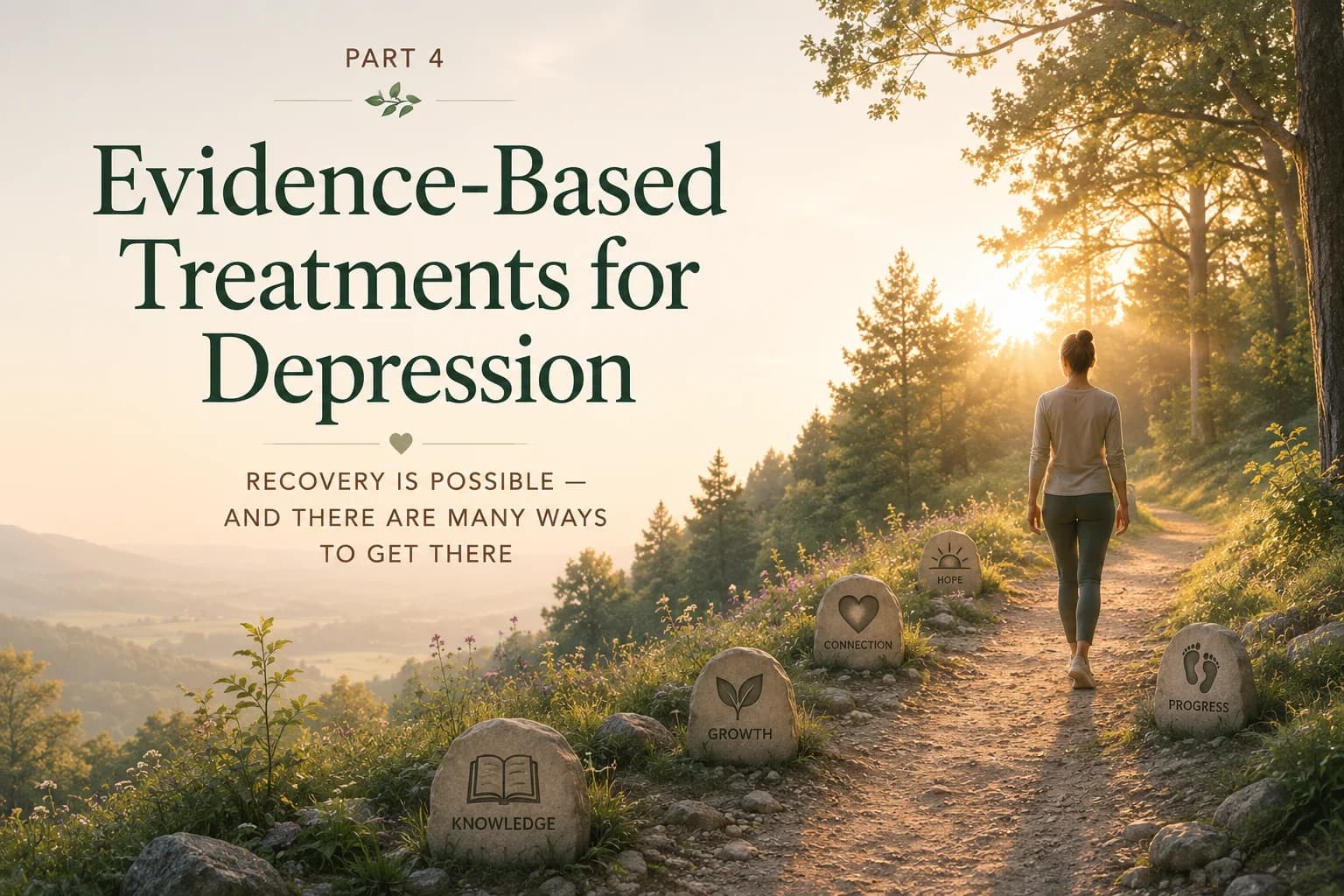
Part 4: Evidence-Based Treatments for Depression: Recovery Is Possible — And There Are Many Ways to Get There
An overview of recovery pathways for depression, including CBT, behavioural activation, medication, lifestyle practices, support, and compassion.
Best for
Useful for understanding evidence-based depression treatments, including therapy, medication, lifestyle support, connection, and self-compassion.
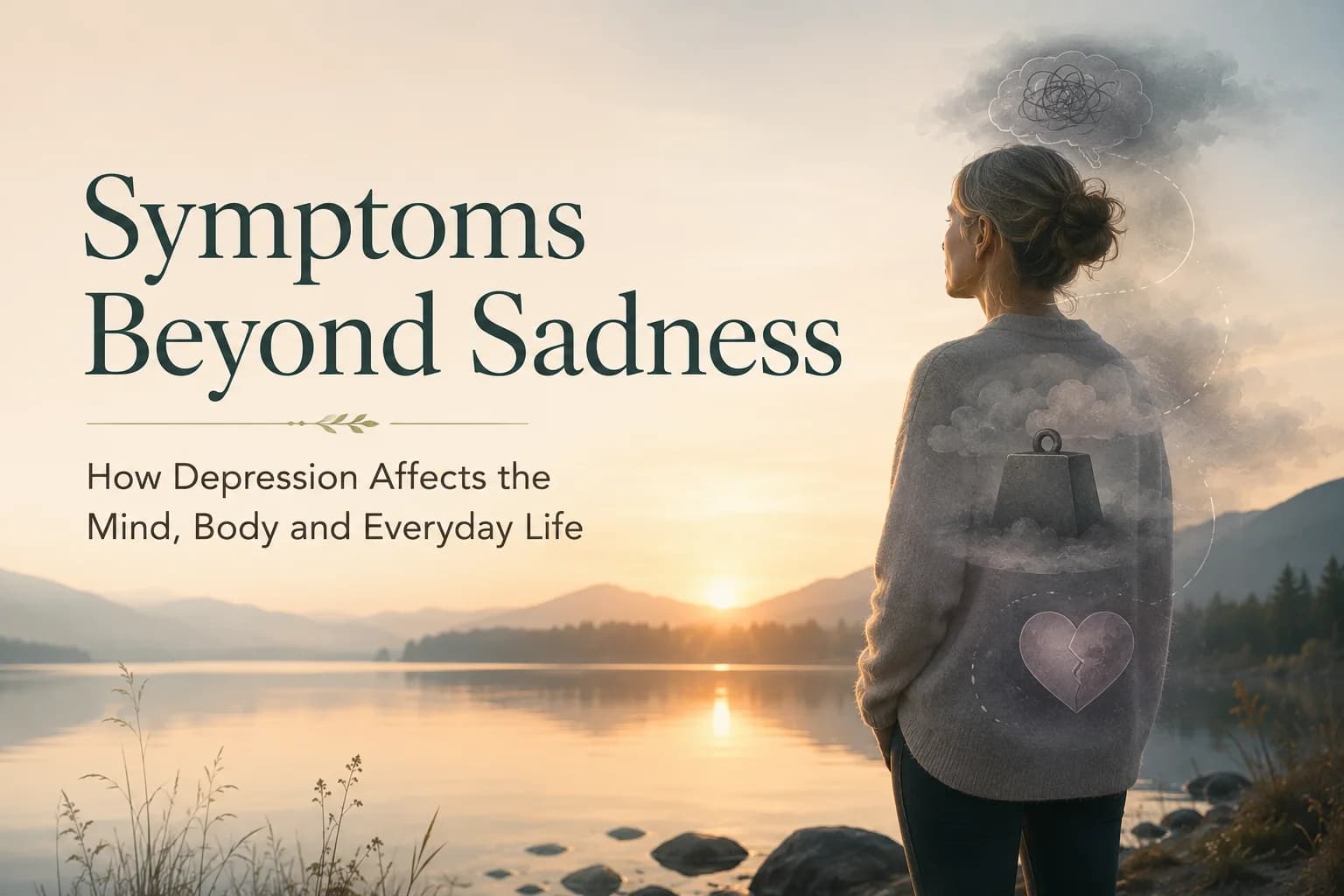
Part 5: Symptoms Beyond Sadness: How Depression Affects the Mind, Body and Everyday Life
A symptom-focused guide to the many ways depression can show up across mood, thought, body, sleep, appetite, behaviour, and identity.
Best for
Useful for understanding the many symptoms of depression, including emotional, cognitive, physical, sexual, behavioural, and hidden signs.
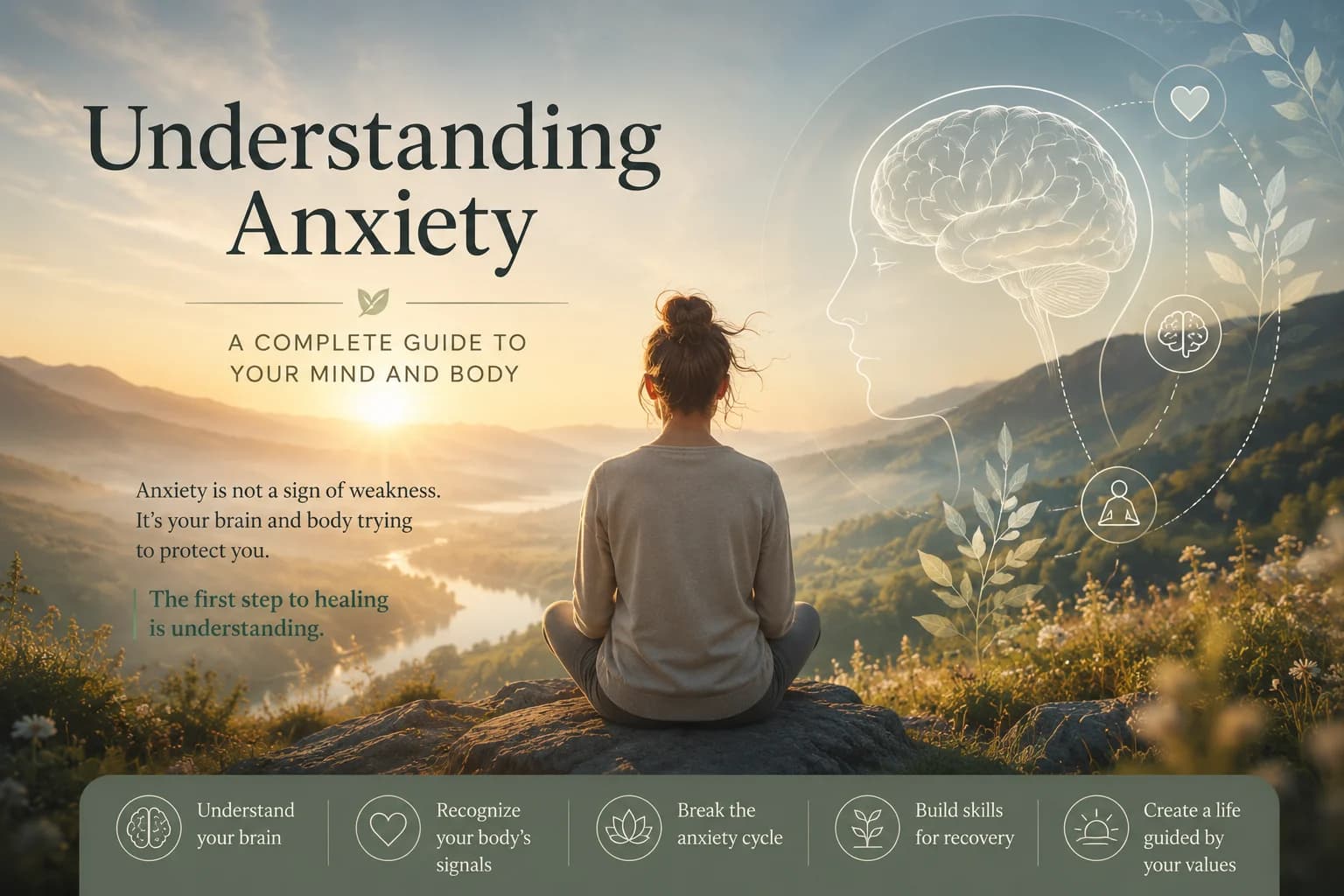
Part 1: What Is Anxiety and Why Does It Happen?
A clear introduction to anxiety as a protective alarm system, including the difference between fear and anxiety and why the brain can respond to uncertainty as danger.
Best for
Useful for understanding what anxiety is, why it happens, and why the brain's alarm system can become overprotective.
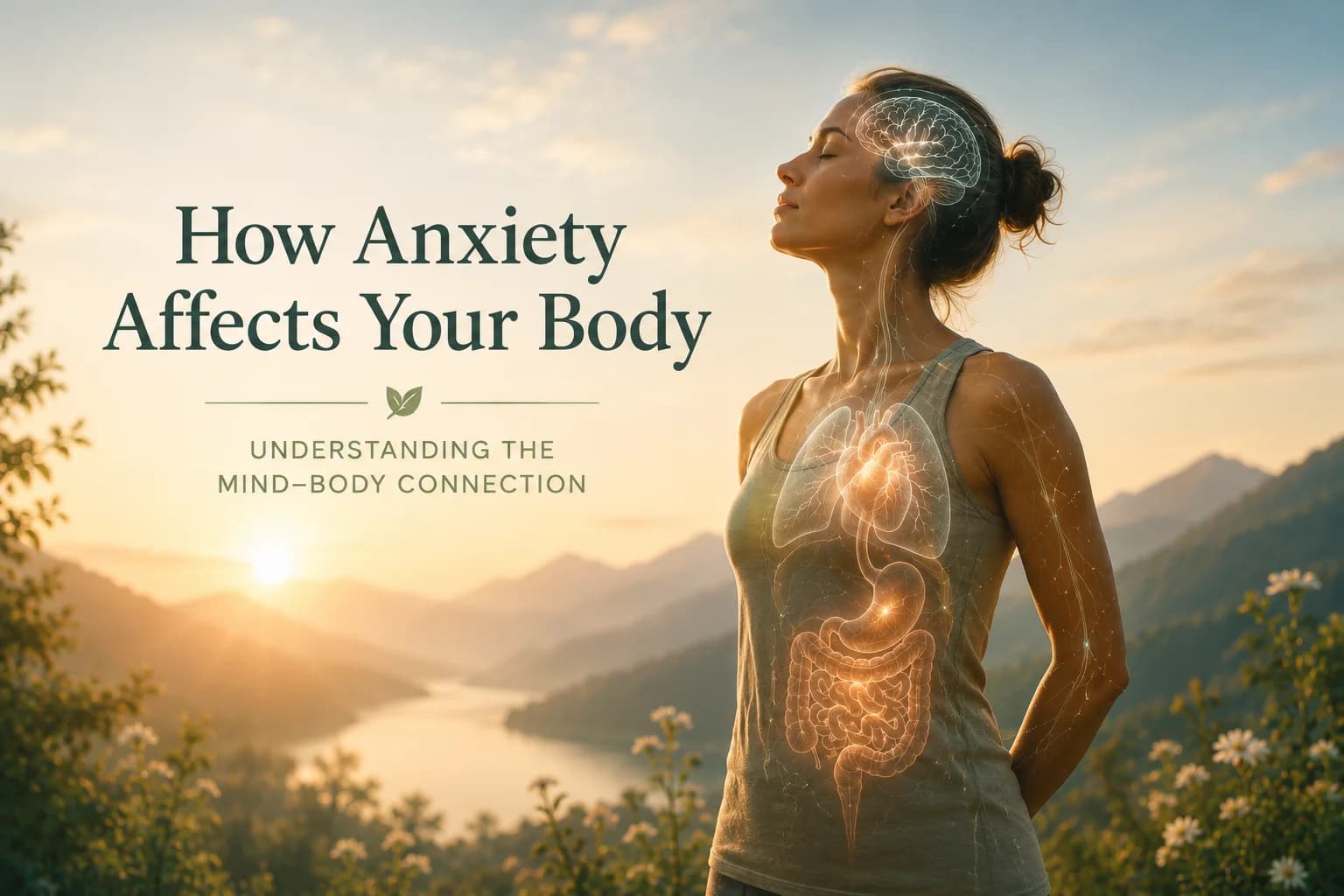
Part 2: Recognising the Symptoms of Anxiety
A practical guide to how anxiety can affect thoughts, emotions, behaviour, and the body, with reassurance about why symptoms can feel so physical.
Best for
Useful for recognising emotional, cognitive, physical, and behavioural anxiety symptoms without assuming something is wrong with you.
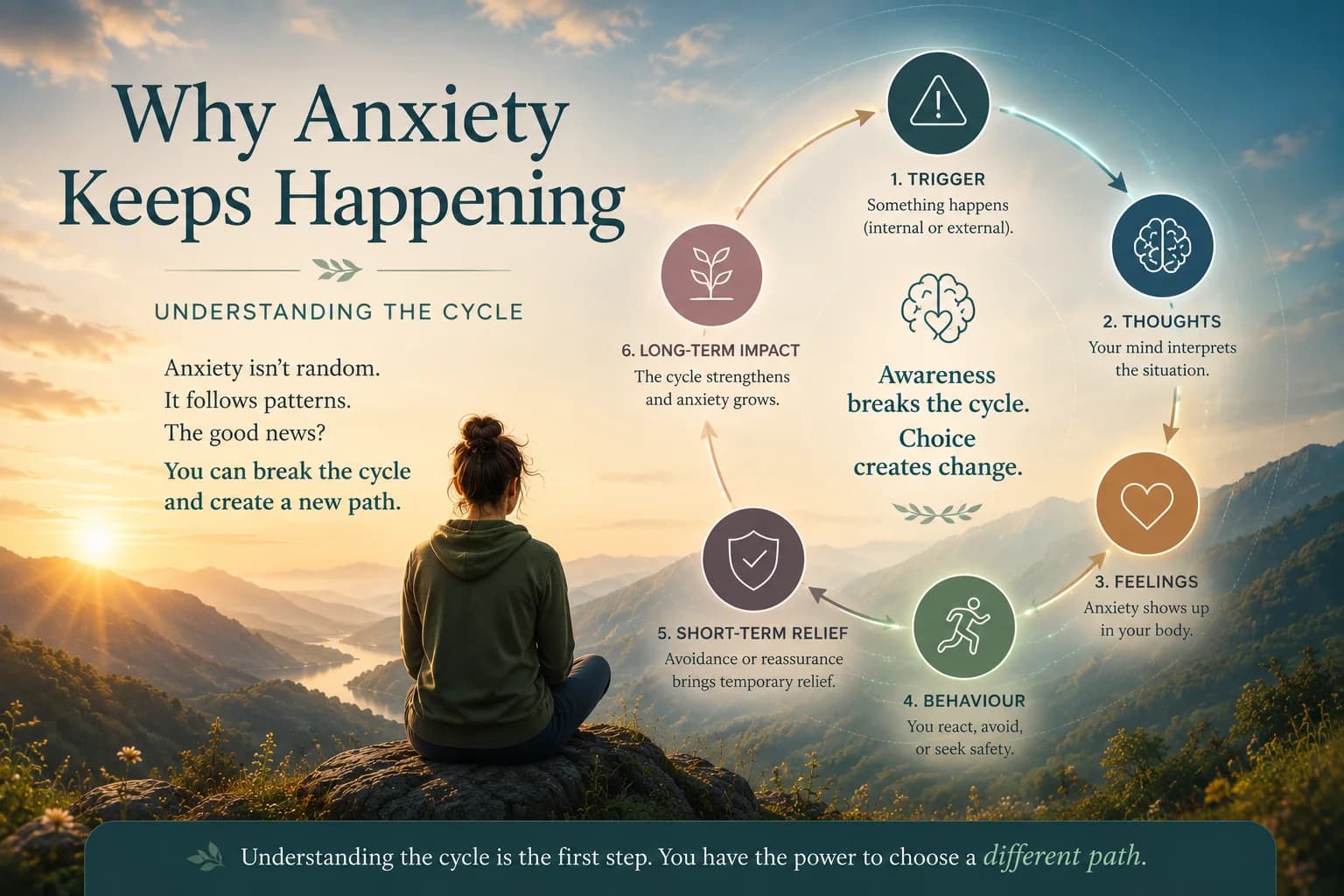
Part 3: Why Anxiety Feels So Real: Understanding the Anxiety Cycle
A plain-language explanation of the anxiety cycle, avoidance, safety behaviours, and how the brain gradually learns safety through new experiences.
Best for
Useful for understanding why anxiety feels so real and how avoidance can accidentally teach the brain to stay afraid.
Part 4: Understanding the Different Types of Anxiety Disorders
An overview of common anxiety disorder patterns and what they share: overestimating danger, underestimating coping, and learning that can change.
Best for
Useful for making sense of different anxiety patterns, including GAD, panic, social anxiety, health anxiety, phobias, separation anxiety, and agoraphobia.
Part 5: How Anxiety Affects the Body: Why Physical Symptoms Feel So Real
A body-focused explanation of anxiety symptoms, stress hormones, the gut-brain connection, and how interpretation can make sensations feel frightening.
Best for
Useful for understanding racing heart, tight chest, stomach symptoms, dizziness, tingling, and other physical anxiety sensations.

Part 6: Evidence-Based Treatments for Anxiety: What Really Works?
A grounded overview of treatments and supports for anxiety, including CBT, exposure therapy, ACT, mindfulness, medication, lifestyle habits, and small repeated steps.
Best for
Useful for comparing evidence-based anxiety supports such as CBT, exposure therapy, ACT, mindfulness, medication, and lifestyle changes.
Learning Centre · /resources
Start with what you’re facing, then choose the next useful step
Jenora’s Learning Centre organizes recovery, mental health, and practical support resources around real needs first. Formats still matter, but they come after the problem you’re trying to solve.
Start here
What do you need help with?
These are public topic families. The underlying content keeps more specific topic IDs for search, related resources, pathways, and future growth.
Secondary navigation
Refine by format
Formats help once the need is clear. They are not the primary information architecture.
Showing 11 resources
Pathway
Returning Home after rehab
A sequenced journey assembled from existing resources. Each step keeps its current public URL.
Step 1 · Understand
What Happens the First Weekend After Leaving Rehab?
See what the first weekend home usually looks like, so nothing catches you off guard.
Open stepStep 2 · Prepare
Jenora First 72 Hours Home Checklist
Walk through the first 72 hours with a simple checklist.
Open stepStep 3 · Plan
Jenora My First Week Home Planner
Plan mornings, daytime, and evenings for the week ahead.
Open stepStep 4 · Connect
Jenora My Support And Safety Plan
Decide now who and what will help if things get hard.
Open stepStep 5 · Reflect
Jenora My First Week Review
Look back at the first week and adjust without judging yourself.
Open stepStep 6 · Continue
Finding Your Rhythm After Rehab
Keep building a routine that can actually hold up.
Open stepGrow
Self-Discovery
Interactive tools for figuring out what matters to you, not just reading about it.
Explore the Understanding Depression Series
An eight-part plain-language series about what depression is, how it affects the brain, body, motivation, and identity, and how recovery can be rebuilt through evidence-based support and small steps.
Part 1: What Is Depression? Understanding More Than Sadness
A plain-language introduction to depression as a common, treatable health condition that affects mood, body, thinking, and perception.
Part 2: The Depressed Brain: Understanding What Changes — and Why Recovery Is Possible
An accessible explanation of depression's effects on brain networks, the reward system, stress hormones, and neuroplasticity.
Part 3: How Depression Changes the Way You Feel, Think and Live: Understanding the Hidden Effects of Depression
A guide to the hidden effects of depression and why changes in thinking, feeling, behaviour, and connection are symptoms rather than personal failures.
Part 4: Evidence-Based Treatments for Depression: Recovery Is Possible — And There Are Many Ways to Get There
An overview of recovery pathways for depression, including CBT, behavioural activation, medication, lifestyle practices, support, and compassion.
Part 5: Symptoms Beyond Sadness: How Depression Affects the Mind, Body and Everyday Life
A symptom-focused guide to the many ways depression can show up across mood, thought, body, sleep, appetite, behaviour, and identity.
Explore the Understanding Anxiety Series
An eight-part plain-language series about what anxiety is, how it affects the mind and body, why it can feel so convincing, and how recovery grows through evidence-based skills and small daily steps.
Part 1: What Is Anxiety and Why Does It Happen?
A clear introduction to anxiety as a protective alarm system, including the difference between fear and anxiety and why the brain can respond to uncertainty as danger.
Part 2: Recognising the Symptoms of Anxiety
A practical guide to how anxiety can affect thoughts, emotions, behaviour, and the body, with reassurance about why symptoms can feel so physical.
Part 3: Why Anxiety Feels So Real: Understanding the Anxiety Cycle
A plain-language explanation of the anxiety cycle, avoidance, safety behaviours, and how the brain gradually learns safety through new experiences.
Part 4: Understanding the Different Types of Anxiety Disorders
An overview of common anxiety disorder patterns and what they share: overestimating danger, underestimating coping, and learning that can change.
Part 5: How Anxiety Affects the Body: Why Physical Symptoms Feel So Real
A body-focused explanation of anxiety symptoms, stress hormones, the gut-brain connection, and how interpretation can make sensations feel frightening.
Part 6: Evidence-Based Treatments for Anxiety: What Really Works?
A grounded overview of treatments and supports for anxiety, including CBT, exposure therapy, ACT, mindfulness, medication, lifestyle habits, and small repeated steps.